
 1 hour ago
20
1 hour ago
20
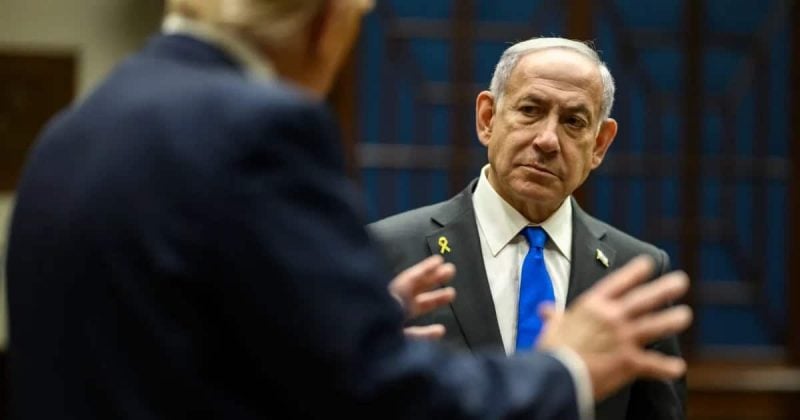
The 52nd G7 Summit rolled into its second day in Evian-les-Bains, France, with leaders from the world’s seven largest advanced economies deep in discussions about AI safety, digital security, and protecting kids online. What they’re not discussing: anything related to crypto or digital assets.
What’s actually on the table
The three-day summit, running June 15 through 17, has France at the helm as this year’s G7 presidency holder. Leaders from Canada, Germany, Italy, Japan, the UK, and the US are present, alongside EU officials European Council President Antonio Costa and European Commission President Ursula von der Leyen.
Guest nations include India, Brazil, and Ukraine, broadening the conversation beyond the core seven.
The agenda leans heavily into digital policy, but not the kind crypto enthusiasts were hoping for. Safe AI deployment, online child protection measures, digital security infrastructure, and securing critical mineral supply chains for technology all made the cut. Cryptocurrencies, stablecoins, CBDCs, tokenized assets: none of them appear in the reported agenda.
This is Evian’s second time hosting a summit of this caliber. The French resort town on the shores of Lake Geneva previously played host to the G8 back in 2003. France itself last held a G7 in Biarritz in 2019.
Why crypto’s absence matters
That doesn’t mean crypto regulation is dead. It means the heavy lifting is being left to individual jurisdictions and regional bodies like the EU, which already has its Markets in Crypto-Assets (MiCA) framework in place, rather than being coordinated from the top down through G7 consensus.
What this means for investors
The most honest reading of the Evian agenda is this: major economies are not treating digital asset regulation as an urgent multilateral priority. For crypto markets, that translates to a continued patchwork of national and regional rules rather than anything resembling a coordinated global approach.
The focus on critical mineral supply chains is worth noting for crypto-adjacent reasons. Mining operations, both for semiconductors and for proof-of-work blockchains, depend on the same rare earth materials and energy infrastructure that G7 leaders are now classifying as strategic assets. Any coordinated policy on supply chain resilience could have downstream effects on hardware availability and energy costs for blockchain networks.
Investors tracking the regulatory landscape should be watching Brussels, Washington, Tokyo, and London individually rather than expecting coordinated action from events like Evian.
Disclosure: This article was edited by Editorial Team. For more information on how we create and review content, see our Editorial Policy.



 English (US) ·