
 1 hour ago
16
1 hour ago
16
Paul Markham, the head of global equities at GAM Investments, has a simple message for anyone eyeing chip stocks right now: don’t.
Speaking on July 28, Markham argued that the recent global selloff in semiconductor shares hasn’t cleared enough froth to make them attractive again.
Too many passengers on the same side of the boat
Markham’s core thesis is about positioning, not fundamentals. Investor ownership in chip stocks remains excessively concentrated, which means the selloff could have further to run before it creates genuine value.
“There are so many people on the same side of the boat.”
Back in February 2026, he flagged similar risks tied to AI hardware companies and the escalating capital expenditure budgets from major technology firms. The concern then was that Big Tech’s spending spree on AI infrastructure had gotten ahead of actual revenue generation from AI products.
Why crypto investors should care about chip stock positioning
Markham notably made no references to crypto tokens or digital assets in his commentary. It suggests that institutional strategists are evaluating AI infrastructure purely through the lens of traditional equities and semiconductor supply chains, not through token ecosystems.
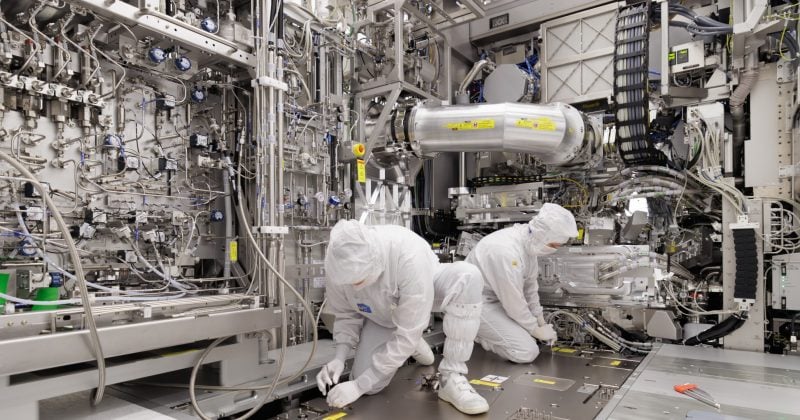
TSMC’s planned investments in the United States add another layer to the picture. The semiconductor supply chain is being reshaped by geopolitical forces, with governments throwing subsidies at domestic chip production.
What this means for portfolio positioning
If the traditional chip trade hasn’t fully unwound, the derivative crypto trade built on top of it is even more vulnerable. These tokens typically carry thinner liquidity and wider spreads than their equity counterparts, which means drawdowns can be sharper and recoveries slower.
Markham’s February concerns about AI infrastructure spending levels suggest the market is starting to question whether the return on that investment justifies the outlay. If Big Tech pulls back on AI infrastructure spending, the ripple effects hit GPU makers, then data center stocks, then cloud compute providers, and eventually the decentralized compute networks trying to compete for a slice of the same pie.
Disclosure: This article was edited by Editorial Team. For more information on how we create and review content, see our Editorial Policy.







 English (US) ·