
 1 hour ago
11
1 hour ago
11
A phone call between world leaders just gave crypto traders their first good day in a week. After Israel halted military strikes on Iran at former President Trump’s request, risk assets across the board caught a bid, with Bitcoin climbing near $64K on Monday after a brutal 14% drawdown.
The bounce is real, but so is the damage. Over $2B in futures positions were liquidated during the selloff, and the crypto Fear and Greed Index is sitting at 8, a reading that screams “extreme fear.” For context, that index was already at 29 (plain old “fear”) just last week. Going from scared to terrified in seven days is quite the achievement.
The numbers behind the relief rally
Bitcoin posted a 24-hour gain of 2.9%, clawing back a fraction of its 10.8% decline over the past seven days. Ethereum fared slightly better on the day, rising 3.7% to trade near $1,700. Solana climbed 3.4%, hovering around $67.
Those daily green candles look encouraging until you zoom out. Bitcoin’s 14% slide had taken it to near two-year lows before Monday’s reversal. That’s not a minor dip. That’s the kind of move that reshuffles portfolios and triggers margin calls at scale.
The $2B in liquidated futures positions tells its own story. When that much leveraged money gets wiped out in a short window, it creates a cascading effect. Traders who were long got stopped out, which pushed prices lower, which triggered more liquidations. It’s the financial equivalent of dominoes, except every domino owes someone money.
Among sector categories tracked by CoinGecko, DeFi was the top performer over the past seven days, which sounds impressive until you see the actual number: 0.0%. In a market where breaking even counts as winning, the bar is underground.
What triggered the selloff in the first place
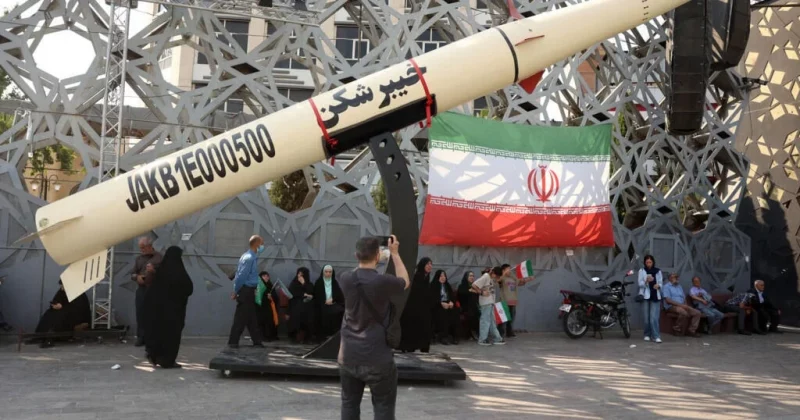
Geopolitical risk has always been crypto’s awkward dance partner. The narrative that Bitcoin serves as “digital gold,” a safe haven when the world gets scary, has never held up cleanly during actual geopolitical crises. When Israel escalated military operations against Iran, traders didn’t rush into Bitcoin for safety. They sold it alongside stocks and other risk assets.
This pattern has repeated enough times that it should surprise no one. In moments of genuine fear, not the kind measured by an index but the kind where missiles are involved, investors sell what they can, not what they should. Crypto is liquid, trades 24/7, and has no circuit breakers. It’s the first thing people can dump on a Sunday night when traditional markets are closed.
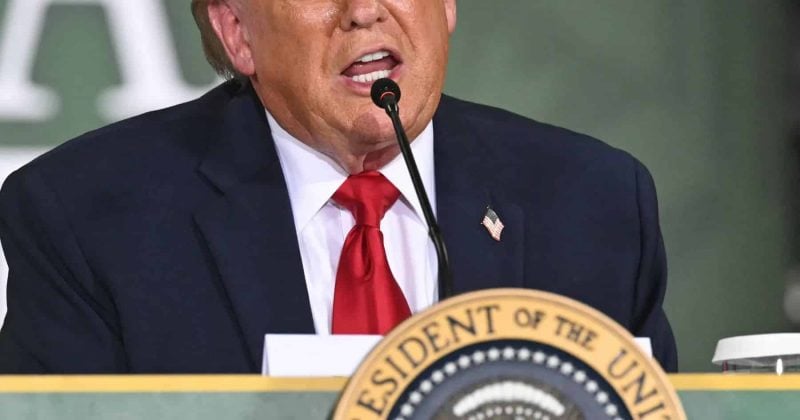
Trump’s intervention, requesting Israel halt strikes on Iran, provided the de-escalation signal markets needed. Whether this ceasefire holds for days, weeks, or longer is anyone’s guess. But for Monday’s trading session, it was enough to flip sentiment from panic selling to cautious buying.
The speed of the reversal also hints at just how much of the selloff was positioning-driven rather than fundamentals-driven. When $2B in leveraged longs get flushed out, the market becomes oversold almost mechanically. Once the trigger for the fear subsided even slightly, prices snapped back because the selling had already exhausted itself.
What this means for investors
Look, a Fear and Greed Index reading of 8 is historically rare. Extreme fear readings have, in past cycles, coincided with attractive entry points for long-term holders. But they’ve also coincided with the beginning of extended downtrends. The indicator tells you about sentiment, not direction.
The fact that Bitcoin went from wherever it was trading to near two-year lows on a geopolitical catalyst, not a crypto-native event like an exchange collapse or a protocol exploit, is worth noting. It means the market is highly sensitive to macro shocks right now. There’s no internal narrative strong enough to provide a floor when external fear spikes.
For traders, the $2B liquidation event likely cleared out a significant amount of leveraged positioning. That can actually be constructive for price stability in the near term, since there are fewer overleveraged longs waiting to become forced sellers. The market’s center of gravity shifts when that much leverage gets purged.
The bigger question is whether Monday’s bounce represents the start of a genuine recovery or just a dead cat bounce before the next geopolitical headline. With the Fear and Greed Index still deep in extreme fear territory, and Bitcoin still down nearly 11% on the week despite Monday’s gains, the market clearly hasn’t found its footing yet.
Ethereum and Solana both bouncing in the 3-4% range alongside Bitcoin suggests this is a broad risk-on move, not a rotation into any particular asset. When everything moves together, it’s macro driving the bus. And macro, in this case, means watching whether the Israel-Iran ceasefire holds, not parsing on-chain metrics or ETF flow data. Until geopolitical risk recedes further, crypto will continue trading like a high-beta risk asset, because that’s exactly what it is.
Disclosure: This article was edited by Estefano Gomez. For more information on how we create and review content, see our Editorial Policy.




 English (US) ·