
 4 months ago
59
4 months ago
59
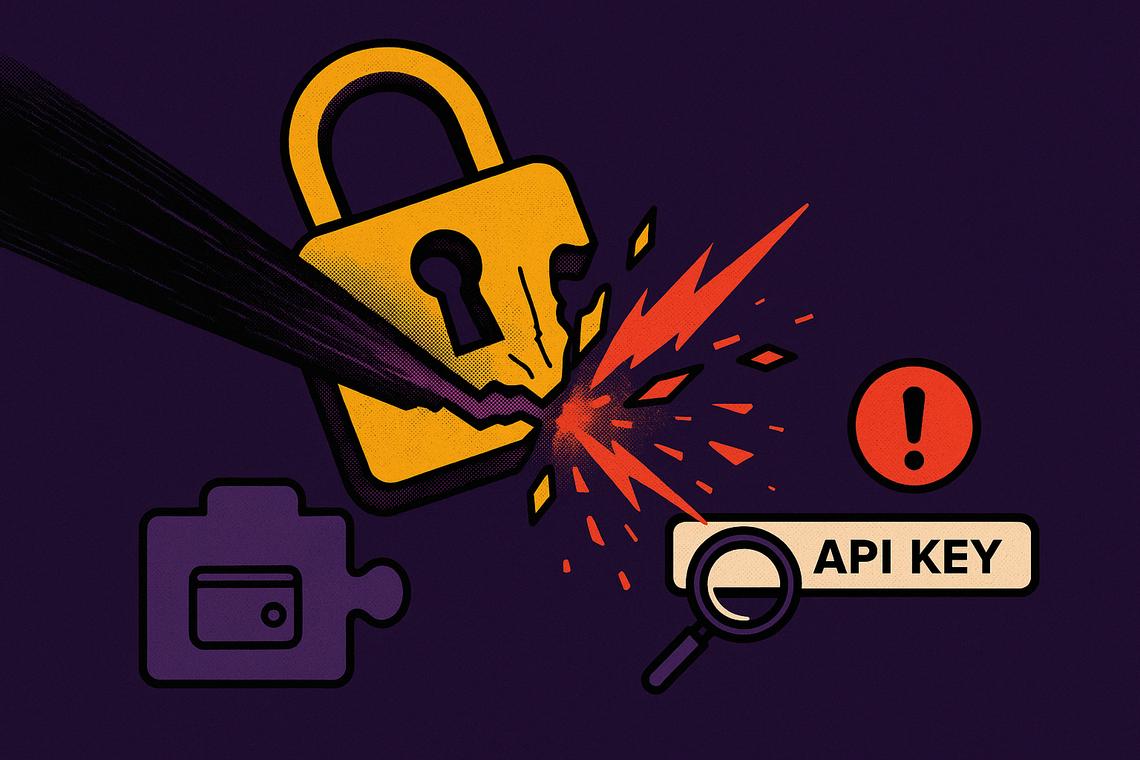
GitHub is investigating a GitHub security breach after unauthorized access reached its internal repositories, and the fallout is already rippling far beyond the company itself. For developers, especially in crypto, the story quickly turned from a corporate incident into a personal warning: check your code, rotate your secrets, and assume anything hardcoded may now need attention.
The compromise was traced to a poisoned VS Code extension installed on an employee device, a detail that makes this more than another repo intrusion. It points to the kind of attack developers worry about most: a strike through trusted tools, where the route in looks routine until it suddenly is not.
GitHub says it detected and contained the breach on Tuesday. It removed the malicious extension, isolated the affected endpoint, rotated critical credentials, and launched incident response measures while continuing to analyze logs and monitor for further activity.
GitHub investigates a breach of internal repositories
The core facts are stark. Around 3,800 internal repositories were accessed in the breach, according to GitHub’s investigation. That figure also lines up with what the attackers have publicly claimed, giving the incident immediate weight even as the full scope remains under review.
This was not described as a breach of customer repositories. Instead, the intrusion hit GitHub’s own internal code environment, an important distinction for the platform’s users, but still a serious event for one of the most central pieces of developer infrastructure on the internet.
How the GitHub security breach was found
GitHub traced the incident to a poisoned VS Code extension on an employee machine. That matters because it shifts attention to the software supply chain, not just account protection.
A compromised developer tool can be more dangerous than a simple password theft. It sits close to code, credentials, and workflows. For security teams, that raises a familiar and uncomfortable question: if trusted tools become the delivery system, then the attack surface expands well beyond the repository itself.
What GitHub did to contain it
GitHub says it contained the compromise on Tuesday and moved quickly to cut off further access. The company removed the malicious extension, isolated the impacted device, and began rotating critical credentials, starting with the highest-impact ones first.
It also said a full report will be published once the investigation is complete.
That response matters for a second reason: the GitHub security breach is not just about what was accessed, but what may have been exposed indirectly through code, tokens, and internal systems. In developer ecosystems, a repository can act like a map to much larger infrastructure.
TeamPCP claims responsibility and tries to sell stolen data
A group called TeamPCP has claimed responsibility for the attack. The group is attempting to sell stolen data online, claiming to hold around 4,000 repositories of private code from GitHub’s main platform and internal organizations.
The asking price, according to the report, starts at $50,000.
That claim has drawn attention because it turns the incident into a live market event, not just a closed internal investigation. Once stolen code is advertised for sale, the pressure shifts. Security teams are no longer only trying to understand what happened; they are also racing the possibility of wider distribution.
TeamPCP is described in the report as an automation-heavy group that targets developer tools to harvest credentials for financial gain. That profile fits the pattern of attacks that go after the plumbing of software development rather than end users directly.
GitHub says customer data was not affected
GitHub says there is no evidence customer data stored outside its internal repositories was impacted. It also said customer repositories, enterprises, and organizations are safe.
For users, that is the most important line in the company’s early assessment. The breach appears centered on internal repositories rather than customer-hosted projects.
Still, the distinction does not fully reduce the significance of the event. GitHub sits at the center of software development for startups, enterprises, open-source maintainers, and crypto builders alike. Even when customer repositories are reported safe, a compromise involving internal code can carry strategic consequences because of what those systems connect to, document, or automate.
Changpeng Zhao warns crypto developers to rotate API keys now
The crypto world reacted fast. Changpeng Zhao, the Binance founder, urged developers to treat the GitHub repository hack as an immediate secret-management problem, not just a headline.
“If you have API keys in your code, even private repos, now is the time to double check and change them,” Zhao said.
That advice lands hard in crypto because repositories often power bots, trading systems, wallet integrations, and blockchain infrastructure. In those settings, secrets inside code are not abstract hygiene issues. They can mean direct access to funds, infrastructure, or automated market activity.
The warning from Zhao connects the GitHub security breach to a broader industry weakness: developers still store sensitive material where it can be exposed during a compromise. The most commonly cited examples in this case include:
- API keys
- wallet credentials
- infrastructure tokens
Security guidance mentioned in the report pointed developers toward GitHub Secret Scanning, gitleaks, and Trivy to look for hardcoded secrets. The advice goes one step further, though: scan the code now, but stop committing keys into repositories in the first place.
Why this GitHub repository hack matters beyond GitHub
This incident is landing in a tense moment for developer security. The report links the breach to a recent GitHub-related attack disclosed by Grafana Labs, where attackers accessed repositories and issued a ransom demand that the company did not pay.
It also arrives shortly after the April 28 disclosure of CVE-2026-3854, a critical GitHub vulnerability that allowed authenticated users to execute arbitrary commands on GitHub servers and exposed millions of public and private repositories.
The report does not establish that either event caused this breach. But taken together, they sharpen the same message: developer platforms are under pressure, and attacks on coding tools are no longer niche technical stories. They are high-value operations with direct commercial incentives.
For crypto teams, that makes the lesson even more urgent. A stolen secret from a repository can become a trading exploit, a drained wallet integration, or a compromised backend service much faster than in many other industries. That is why the Changpeng Zhao API keys warning resonated so quickly. It translated a broad cybersecurity event into a concrete action list for developers who cannot afford delay.
GitHub says it will keep monitoring its infrastructure and provide updates as the investigation continues. Until the full report arrives, the bigger consequence is already clear: this GitHub security breach has turned secret management from best practice into immediate triage for developers who build where code and money sit closest together.





 English (US) ·