
 3 hours ago
21
3 hours ago
21
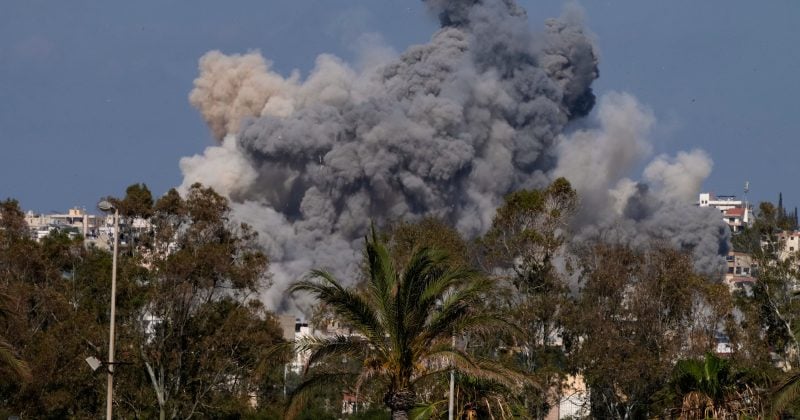
US military strikes against more than 80 Iranian targets sent shockwaves through global markets on July 7, pushing oil prices sharply higher while dragging gold and crypto lower. The operation, carried out by US Central Command in retaliation for Iranian attacks on commercial vessels in the Strait of Hormuz, has investors recalculating their exposure to just about everything.
Gold declined approximately 1-2% as traders priced in the likelihood that surging energy costs would force the Federal Reserve to keep rates elevated, or even hike further. Higher oil means higher inflation, which means tighter money, which makes non-yielding assets like gold less attractive.
Energy markets take center stage
Brent crude climbed more than 2%, approaching $76 per barrel in the aftermath of the strikes. The Strait of Hormuz, where Iran has been targeting commercial shipping, handles roughly 20% of the world’s oil supply. Any disruption there doesn’t just affect oil traders. It touches everything from gas prices to manufacturing costs to grocery bills.
The US also slapped fresh sanctions on Iranian energy exports. The combination of military action and economic pressure creates a feedback loop: sanctions restrict supply, reduced supply pushes prices higher, and higher energy prices feed directly into inflation expectations.
Tensions have been escalating since late February 2026, following the collapse of a fragile ceasefire. During earlier phases of the conflict, gold actually surged more than 5% before giving back those gains as rate expectations shifted.
Crypto catches a cold
The broader crypto market dropped about 1.24% immediately after news of the strikes broke. Bitcoin fell to the $62K-$63K range. Ethereum traded between approximately $1,743 and $1,776. Solana dropped 5% and Hyperliquid shed 4%.
One notable exception to the crypto selloff was gold-backed tokens. PAXG and XAUT showed relative resilience compared to the rest of the digital asset market.
Prediction markets added their own layer of intrigue. Polymarket saw substantial betting activity around the strikes’ outcomes, with some traders reportedly booking profits in the hundreds of thousands of dollars.
What this means for investors
For crypto investors specifically, the 1.24% market-wide decline might seem modest, but the 4-5% drops in individual altcoins show where the real vulnerability sits. Portfolios concentrated in mid-cap and smaller tokens face disproportionate drawdown risk during these events.
Gold’s decline is the more interesting signal. The fact that inflation expectations are overriding the safe-haven bid suggests markets believe the Fed will respond to any energy-driven price spike with hawkish policy. Bitcoin’s correlation with rate expectations has remained stubbornly high, meaning any shift toward tighter monetary policy could cap upside for months.
The gold-backed crypto trade deserves attention. Tokens like PAXG and XAUT offer the inflation hedge narrative without the full volatility profile of native digital assets, and showed relative strength during the initial selloff.
Disclosure: This article was edited by Editorial Team. For more information on how we create and review content, see our Editorial Policy.







 English (US) ·