
 4 months ago
45
4 months ago
45
TLDR
- Gold prices plunged 10% on Monday following Friday’s biggest single-day drop in over a decade
- Silver crashed 16% in one day, erasing all gains made in 2026 so far
- Trump’s choice of Kevin Warsh to head the Federal Reserve triggered the massive selloff
- Gold reached $5,626.80 and silver hit $121.79 last week before the sharp reversal began
- Analysts say overcrowded trades and profit-taking caused the rapid unwinding of positions
Gold and silver markets experienced a massive crash on Monday as prices fell sharply from record highs set just days earlier. The precious metals selloff represents one of the most dramatic reversals in recent market history.
Gold dropped as much as 10% on Monday alone. The metal now sits nearly 20% below its all-time high from the previous week. Gold traded at $4,536.46 per ounce by Monday afternoon in Singapore.
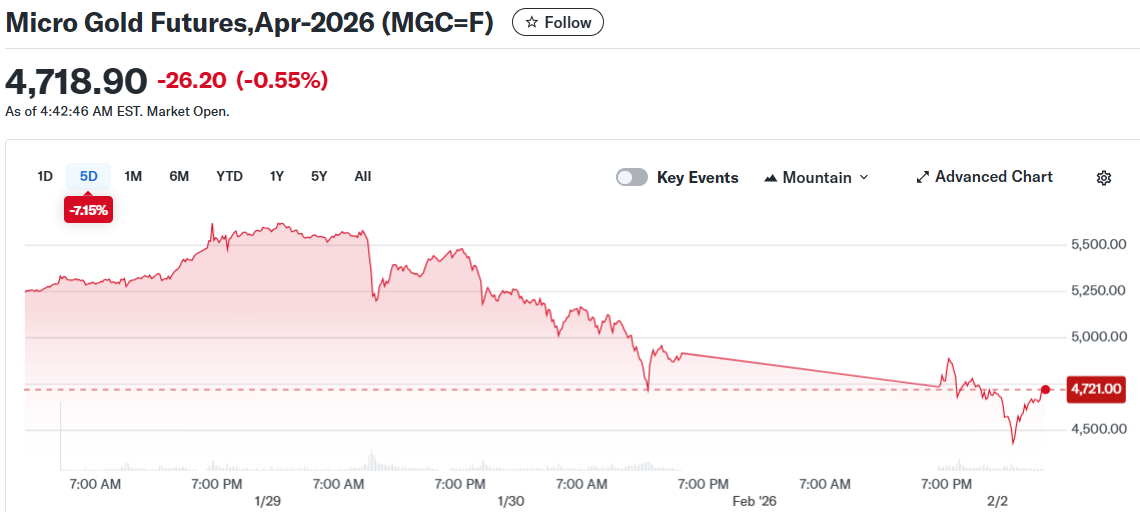 Micro Gold Futures,Apr-2026 (MGC=F)
Silver’s decline proved even steeper. The metal fell 16% on Monday after recording its worst intraday loss ever on Friday. Silver dropped below $72.68 per ounce, wiping out every gain made this year.
Just last week, gold hit a record $5,626.80 per ounce. Silver peaked at $121.79 per ounce. Both metals had surged throughout January on geopolitical worries and Federal Reserve independence concerns.
Chinese investors helped fuel the rally. Speculators poured money into precious metals as safe-haven assets. The trade became heavily crowded with buyers all positioned the same way.
Warsh Nomination Strengthens Dollar
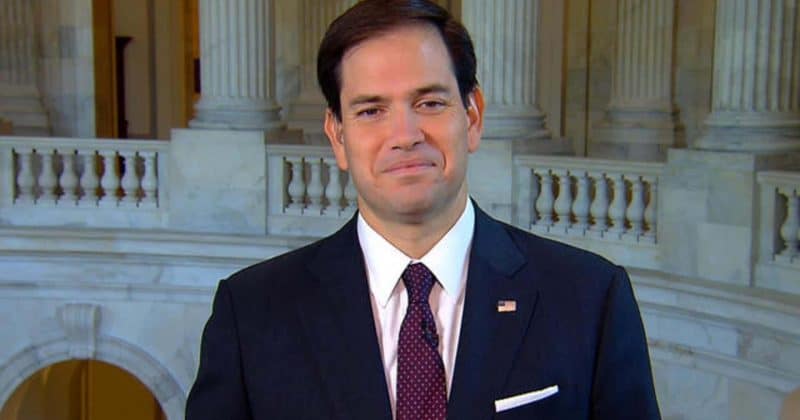
President Trump’s announcement of Kevin Warsh as his Federal Reserve nominee triggered the selloff on Friday. The news sent the U.S. dollar sharply higher. A stronger dollar makes precious metals more expensive for international buyers.
Markets see Warsh as a hawkish inflation fighter. His nomination suggests tighter monetary policy ahead. Gold typically falls when interest rates rise and the dollar strengthens.
The nomination reduced some market uncertainty. This decreased demand for gold and silver as protective investments. Investors had bought precious metals to hedge against currency weakness.
Robert Gottlieb, former JPMorgan Chase precious metals trader, said the market was “way too crowded.” Traders holding profits were ready to exit their positions quickly. The selling became self-reinforcing as prices dropped.
Mass Exit From Crowded Positions
Exchange-traded funds and leveraged derivatives drove the selloff. Jia Zheng from Shanghai Soochow Jiuying Investment Management said most profitable buyers had prepared to exit. The selling pressure overwhelmed the market.
Record call option purchases had pushed prices higher. Goldman Sachs explained that option sellers had to buy more gold as prices rose. This created upward momentum that suddenly reversed.
Rising volatility strained trader risk limits. Ole Sloth Hansen at Saxo Bank called it a “wholesale exit” from the market. The approaching Chinese New Year holiday added pressure as traders reduced positions.
Chinese markets close February 16 for over a week. Buyers crowded Shenzhen’s gold marketplace over the weekend. They purchased jewelry and bars before the Lunar New Year holiday.
Shanghai gold prices fell Monday but still traded above international prices. Lower prices may boost Chinese retail demand during peak buying season. Zijie Wu at Jinrui Futures expects the pullback to support consumer purchases.
Gold futures settled at $4,886 per ounce Monday. Silver futures traded at $78.4 per ounce. Platinum and palladium also declined. The Bloomberg Dollar Spot Index rose 0.1% after Friday’s 0.9% gain.
Deutsche Bank maintains its $6,000 per ounce gold target. Analysts say fundamental support remains despite the sharp selloff.
The post Gold Plunges 20% From Peak as Kevin Warsh Fed Nomination Sparks Selloff appeared first on Blockonomi.


 English (US) ·