
 1 hour ago
19
1 hour ago
19
When geopolitical tensions spike, investors usually do two things: buy dollars and buy Treasuries. This time, they only did one.
Goldman Sachs research highlights an unusual divergence in March 2026: the US dollar index climbed more than 2% as the US-Iran conflict escalated, but Treasuries didn’t get the typical flight-to-safety bid. Instead, foreign official institutions, including those from China and Japan, were actively selling US government bonds.
The energy shock rewriting the playbook
The US-Iran conflict escalated sharply in early March 2026, with disruptions in the Strait of Hormuz creating what Goldman Sachs described as the largest energy supply shock on record. The Strait of Hormuz handles roughly a fifth of global oil consumption on any given day.
Oil prices surged, and with them came a wave of inflation anxiety that changed the calculus for bond investors. Rising Treasury yields during this period weren’t a reflection of economic optimism. They were a reflection of fear that inflation, not recession, was the dominant risk.
The dollar, meanwhile, benefited from what Goldman described as improved terms-of-trade dynamics. The US remains a major energy producer, so even as global oil supply tightened, the relative economic position of the US strengthened compared to energy-importing nations.
Who’s selling, and why it matters
Goldman Sachs identified foreign institutions, notably from China and Japan, as significant sellers of Treasuries during this period. China and Japan are the two largest foreign holders of US government debt. The selling pressure contributed to rising yields, which in turn raises borrowing costs across the US economy, from mortgages to corporate bonds.
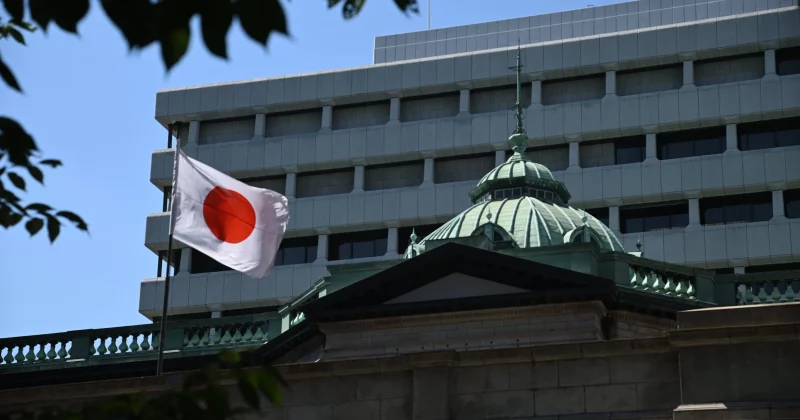
Japan’s selling may be partly driven by the need to defend the yen, which weakens when the dollar strengthens. Selling Treasuries generates dollars that can be converted to yen, providing currency support. China’s motivations include the broader context of US-China tensions and a desire to diversify reserves away from dollar-denominated assets.
Goldman’s revised outlook
Goldman Sachs lowered its 2026 US growth forecast and raised its inflation projections, a combination that has an uncomfortable name in economics: stagflation. The bank also pushed back its expected timeline for Federal Reserve rate cuts from June to September or later, with a new projected terminal rate between 3% and 3.25%.
The equity market response has been mixed, according to Goldman’s analysis. Energy companies benefit from higher oil prices. Nearly everyone else faces higher input costs and potentially weaker consumer demand.
What this means for investors
The traditional 60/40 portfolio relies on the assumption that stocks and bonds move in opposite directions during crises. When both stocks and bonds sell off simultaneously, as they did during parts of this episode, that diversification benefit evaporates.
The terminal rate projection of 3% to 3.25% suggests Goldman sees rates staying elevated well into 2027, which favors cash and short-duration instruments over longer-dated bonds.
If the two largest foreign holders are reducing their exposure during a period of peak uncertainty, the marginal buyer of Treasuries increasingly becomes domestic institutions and the Fed itself, potentially keeping a floor under long-term yields even if the geopolitical situation de-escalates.
The dollar’s strength is doing some of the Fed’s work for it, tightening financial conditions without requiring additional rate hikes. But a strong dollar makes US exports less competitive, pressures emerging market borrowers with dollar-denominated debt, and feeds back into weaker corporate earnings.
Disclosure: This article was edited by Editorial Team. For more information on how we create and review content, see our Editorial Policy.






 English (US) ·