
 1 hour ago
18
1 hour ago
18
## Market Snapshot
The market for average daily transits of the Strait of Hormuz by May 31 is currently priced at 6.5% YES for the 10-20 range, down from 13% in the last 24 hours. Meanwhile, the scenario pricing 0-10 daily transits is at 88% YES, up from 70% a day ago.
## Key Takeaways
– The increase in Gulf freight rates suggests a significant disruption in maritime traffic, consistent with a NO outcome for higher transit averages. – The shift from maritime to truck transportation indicates sustained conflict impacts in the region, supporting lower ship transit expectations. – Market pricing appears to reflect heightened risk and restricted transit availability through the Strait of Hormuz.
## Article Body
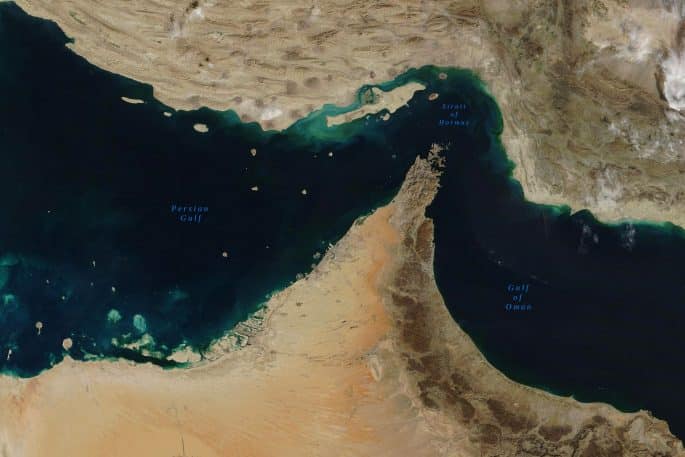
Freight rates in the Gulf region have surged as shipping companies increasingly rely on trucks to transport cargo due to disruptions in the Strait of Hormuz. This shift has been driven by ongoing regional conflict involving Iran, Israel, and the United States, which has led to partial closures and heavy restrictions on maritime traffic. The situation reflects a broader effort to maintain trade flows despite significant security challenges. As shipping companies reroute vessels and opt for overland transport through Gulf states, the move underscores the severity of the disruptions affecting the strategic waterway.
## Market Interpretation
The current market pricing indicates a high-impact scenario, with participants viewing the news as consistent with a NO outcome for ship transits in the 10-20 range. This suggests a significant reduction in expected average daily transits through the Strait of Hormuz by the end of May. The sharp increase in pricing for scenarios with fewer transits reflects the sustained nature of the conflict and its impact on commercial shipping.
## What to Watch
Key developments to monitor include any announcements from the IRGC or U.S. CENTCOM regarding changes in the status of the Strait. Updates from major shipping companies like Maersk and CMA CGM on their operational status through the Strait will also be crucial. Additionally, reports from Lloyd’s and other maritime tracking agencies on transit numbers will provide further insights into the evolving situation.
Get prediction market intelligence as a structured API feed. Early access waitlist.









 English (US) ·