
 1 hour ago
22
1 hour ago
22
Erling Haaland has spent years rewriting what a center forward can do in club football. On July 5, 2026, he did the same thing for an entire nation at MetLife Stadium in East Rutherford, New Jersey.
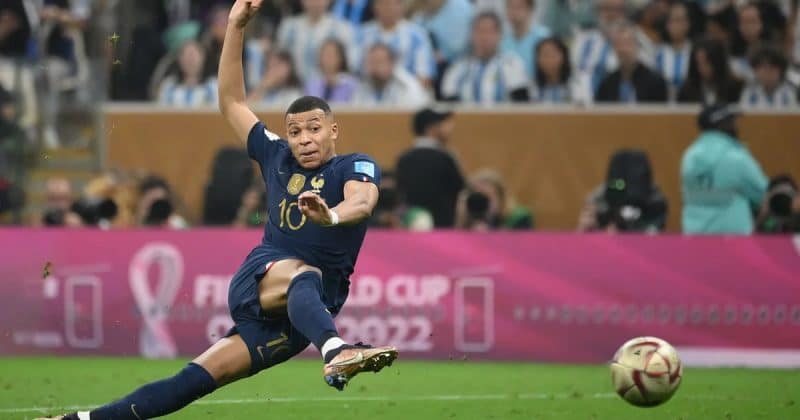
Norway beat Brazil 2-1 in the Round of 16 at the 2026 FIFA World Cup, becoming the first Norwegian side in history to reach the quarterfinals of the tournament. Haaland scored both goals, because of course he did.
How it happened
Haaland broke the deadlock with a header in the 79th minute. Then, with the score level and the clock showing 90 minutes, he collected the ball and slotted a low shot past the Brazilian keeper to seal a 2-1 victory.
For Brazil, the loss marks their earliest exit from the tournament since 1990.
Norway’s path to this result was not an accident. Haaland had been in prolific form throughout the qualification campaign, extending an international scoring streak that now stretches across multiple years of competitive football.
Where crypto enters the picture
Following Norway’s victory, trading volumes for fan tokens on the Chiliz platform surged. Chiliz is the blockchain infrastructure that powers many of the major football club tokens.
The volatility cuts both ways. Brazilian fan token holders had a rough evening. Norwegian sentiment, predictably, ran in the opposite direction.
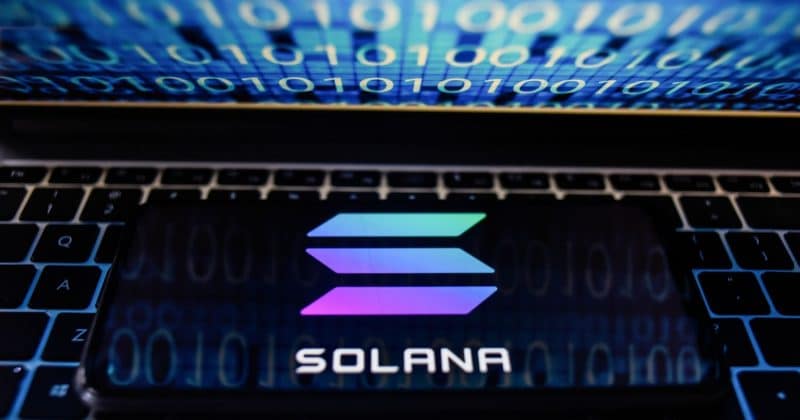
Separately, a meme token named HAALAND exists on the Solana blockchain. It carries no official affiliation with the player whatsoever, which is a critical detail that gets lost when search volume for his name spikes after a match like this.
The more substantive story from the crypto side of this event involves Coinbase. The exchange reportedly sent an AI-generated notification to users predicting a 3-2 victory for Norway. The actual result was 2-1. The notification was wrong on the scoreline, and the AI-generated framing drew immediate backlash from users who received it.
The Coinbase AI notification incident also raises a quieter regulatory question. As exchanges integrate AI features that push real-time information to users, the accuracy and liability frameworks around those notifications become more consequential. A wrong score notification is embarrassing. A wrong notification that influences a trading decision has a different legal texture entirely.
Disclosure: This article was edited by Editorial Team. For more information on how we create and review content, see our Editorial Policy.



 English (US) ·