
 1 hour ago
21
1 hour ago
21
The most popular long positions among hedge funds have cratered roughly 40% from their recent peaks, marking the sharpest drawdown in momentum factor baskets in five years. Meanwhile, the short side of the ledger offered no refuge either, as volatile whipsaws wiped out gains on positions that were supposed to hedge the downside.
Goldman Sachs’ closely watched Hedge Fund VIP list, which tracks the stocks most commonly found in institutional long books, posted its worst one-month underperformance relative to the S&P 500 in over 20 years. That happened in July 2026, when a violent de-grossing episode forced funds to dump the very AI and semiconductor names that had made them look like geniuses just months earlier.
The AI trade unravels
July’s unwind was a theater moment. Hedge funds sharply reduced their technology exposure, particularly in semiconductors, memory stocks, and AI infrastructure names. Long trimming and short covering happened simultaneously, creating the kind of chaotic price action that turns quarterly letters into apology notes.
Situational Awareness LP: a cautionary tale
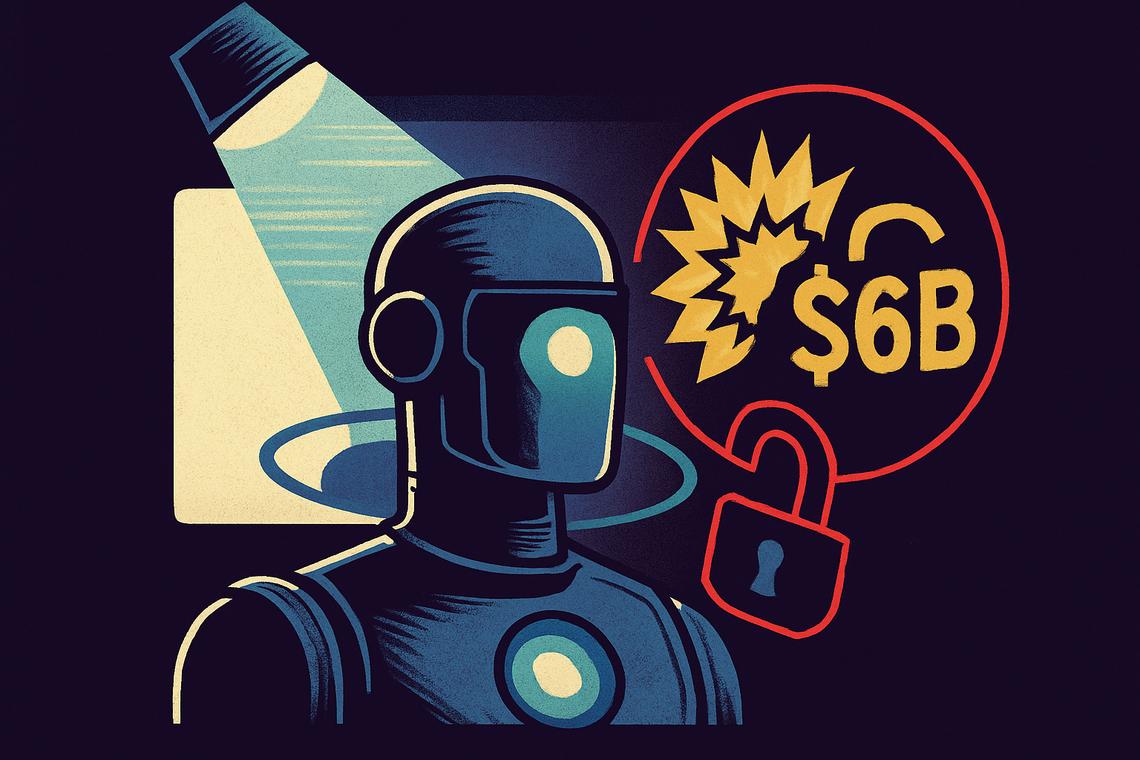
No single fund illustrates the damage quite like Situational Awareness LP, the vehicle managed by Leopold Aschenbrenner, a former OpenAI researcher who parlayed his AI expertise into a hedge fund career. The fund lost approximately 67% in July alone.
That is not a gradual decline. That is a fund going from roughly $45B in assets under management to about $10B in a single month.
The mechanics of the collapse were brutal. As losses mounted, major prime brokers including Goldman Sachs and JPMorgan issued margin calls. To meet those demands, Situational Awareness LP sold most of its public equity stakes, including holdings in Micron and SK Hynix, to Citadel at a discounted rate.
The broader damage and the silver lining
Equity long-short funds and multi-strategy vehicles across the industry recorded significant losses during the July episode. Despite the carnage in July, US equity long-short strategies remained positive on the year, returning approximately 10% through mid-August 2026.
The episode also triggered a meaningful reduction in leverage and AI-related exposure across the industry. Hedge funds pulled back their gross and net positioning from prior peaks, effectively resetting risk budgets after a period of excessive concentration.
The Goldman Sachs VIP list reaching four-year lows also suggests that the popular hedge fund trade basket is now more washed out than at any point since mid-2022.
Disclosure: This article was edited by Editorial Team. For more information on how we create and review content, see our Editorial Policy.




 English (US) ·