
 1 hour ago
23
1 hour ago
23
Houthi rebels claimed responsibility for striking two Saudi oil tankers in the Red Sea on July 22, marking the first direct attacks on Saudi oil infrastructure since the dramatic 2019 drone assault that temporarily cut the kingdom’s production in half. Brent crude responded exactly how you’d expect: it surged more than 7%, blowing past $100 per barrel for the first time since those 2019 attacks.
The targeted vessels, the Encelia and the Layla, were transiting the Red Sea when they were hit. Houthi military spokesperson Yahya Saree said the tankers were struck for violating a naval embargo.
The geopolitical backdrop is getting worse, not better
On July 16, Houthi leader Abdul Malik al-Houthi publicly threatened Saudi oil facilities, giving the market about a week’s warning that something ugly might be coming. The attacks followed the breakdown of a four-year truce between the Houthis and Saudi Arabia.
The Houthis, an Iran-aligned movement controlling much of northern Yemen, have been locked in a prolonged conflict with the Saudi-led coalition for years. Roughly 4.5 million barrels of oil pass through the Bab el-Mandeb Strait daily, making it a pressure point that can send shockwaves through global energy markets with a single well-placed strike.
Goldman Sachs has already weighed in, suggesting prices could exceed $120 per barrel if supply disruptions continue.
The crypto angle is more nuanced than “Bitcoin goes up”
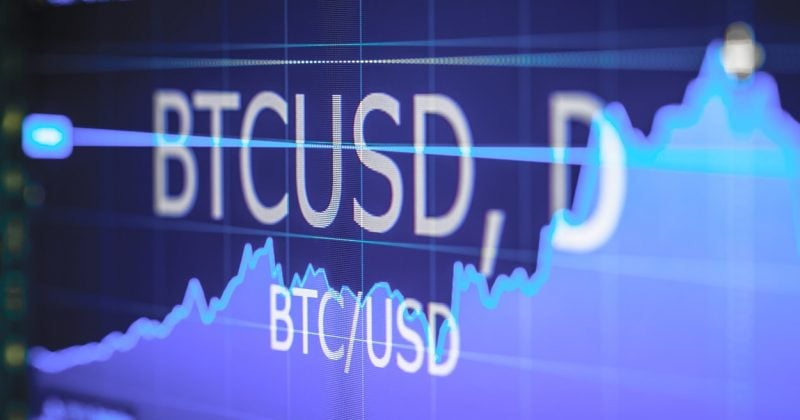
Bitcoin held steady in the $63,000 to $65,000 range following the attacks.
In 2025, the US Treasury sanctioned Houthi-linked cryptocurrency wallets that had received approximately $900 million in USDT. That’s not a rounding error. It’s nearly a billion dollars in stablecoin flows tied to a designated militant group, and it underscores a tension that the crypto industry has never fully resolved: the same permissionless infrastructure that makes digital assets attractive to legitimate users also makes them useful to sanctioned entities operating outside the traditional banking system.
What this means for investors
The sanctions angle is worth monitoring closely. The $900 million in USDT flows to Houthi-linked wallets gives regulators fresh ammunition to push for stricter stablecoin oversight, particularly around Know Your Customer requirements for large transfers. If another round of attacks triggers another round of sanctions, expect USDT issuer Tether to face renewed scrutiny about its compliance infrastructure.
The 2019 Abqaiq attacks spiked oil prices by roughly 15% in a single day before the market calmed down within weeks. The question now is whether the current geopolitical environment, with a broken truce, an emboldened Houthi leadership, and broader Iranian-backed proxy activity across the region, allows for that same rapid normalization.
Disclosure: This article was edited by Editorial Team. For more information on how we create and review content, see our Editorial Policy.







 English (US) ·