
 6 hours ago
11
6 hours ago
11
The International Monetary Fund wants to make one thing very clear: a ceasefire is not a cure. Even as the US and Iran announced a framework agreement on June 14 aimed at ending hostilities and reopening the Strait of Hormuz, the IMF cautioned that the damage already inflicted on global energy infrastructure will take considerable time to unwind.
Markets celebrated the deal immediately, with oil prices declining and equities rallying. But the fund’s message was more sober.
The scale of the damage
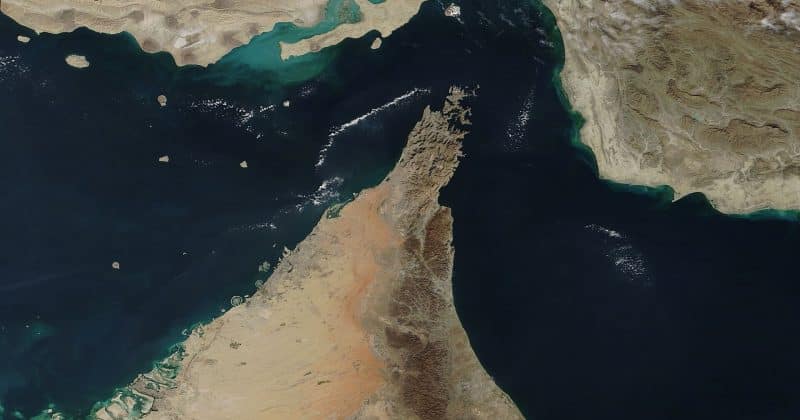
Roughly 20% of the world’s oil and gas passes through the Strait of Hormuz. When the US-Israel-Iran conflict effectively closed that chokepoint, global oil supply dropped by 13% almost overnight.
Brent crude surged to nearly $118 per barrel at its peak. The IMF had already slashed its 2026 global growth forecast to 3.1%, a reduction of 0.2 percentage points. Under a more severe scenario, the fund warned growth could crater to 2% while inflation climbs above 6%.
IMF Managing Director Kristalina Georgieva didn’t mince words about the outlook.
“All roads now lead to higher prices and slower growth.”
The deal and its limits
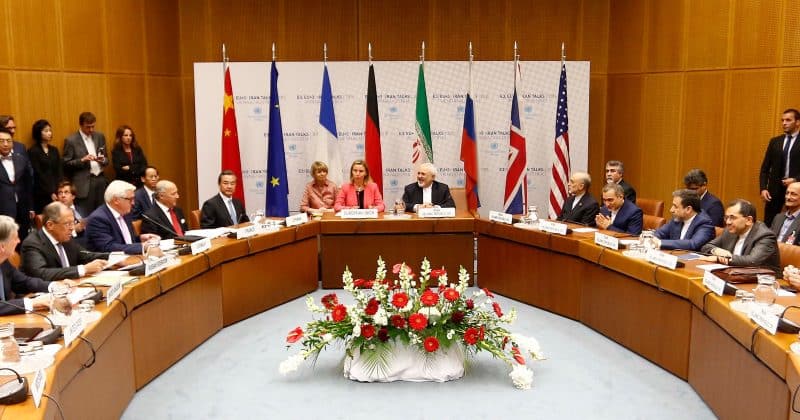
The June 14 framework agreement between the US and Iran targets three main objectives: ending active hostilities, reopening the Strait of Hormuz by June 20, and easing some sanctions.
The IMF has been emphatic that even the most optimistic resolution timeline won’t return energy markets to pre-war conditions. The fund stressed that lingering price pressures will persist regardless of how smoothly the diplomatic process unfolds, well into the second half of 2026 even in the best case.
What this means for crypto and digital assets
Bitcoin rose above $64,000 following the announcement of the US-Iran framework deal, tracking the broader relief rally across risk assets.
During the conflict, Iran increasingly turned to digital assets to circumvent sanctions. The US Treasury responded on June 2 by sanctioning Nobitex, Iran’s largest digital asset exchange, along with other platforms for alleged ties to the Islamic Revolutionary Guard Corps. Those sanctions included the freezing of $344 million in Iran-linked tokens.
The framework deal remains a framework, not a finalized peace agreement. Any setback in negotiations, a missed deadline on reopening the Strait, or a collapse in diplomatic talks could reverse the relief rally in both oil and crypto markets.
Disclosure: This article was edited by Editorial Team. For more information on how we create and review content, see our Editorial Policy.





 English (US) ·