
 8 hours ago
16
8 hours ago
16
The Indian rupee is flirting with an all-time low of 97 against the US dollar, having weakened nearly 2% in July alone.
The RBI’s internal tug-of-war
RBI Governor Sanjay Malhotra set expectations back in May 2026 when he publicly committed to taking “necessary action” to maintain orderly foreign exchange markets. Reports from July 21 indicate that RBI interventions have been limited and sporadic. The gap between what the market expected and what it got has left traders surprised and recalibrating their positioning. Short positions on the rupee have climbed in early July, following an eight-month low in June 2026.
An internal divide has surfaced within the RBI itself. Malhotra and Deputy Governor Poonam Gupta reportedly favor a more market-driven approach, letting the rupee find its natural level rather than burning through reserves to prop it up. Others within the institution evidently disagree on how much intervention is appropriate.
Why the rupee is sliding
Rising oil import costs are a central pressure point. India is one of the world’s largest crude importers, and every tick higher in oil prices widens the country’s trade deficit, which puts downward pressure on the rupee.
The rupee has underperformed compared to other Asian currencies. India’s foreign exchange reserves stand at approximately $675.2 billion, though some analysts caution that usable reserves may be meaningfully lower than the headline number suggests.
What this means for crypto and capital markets
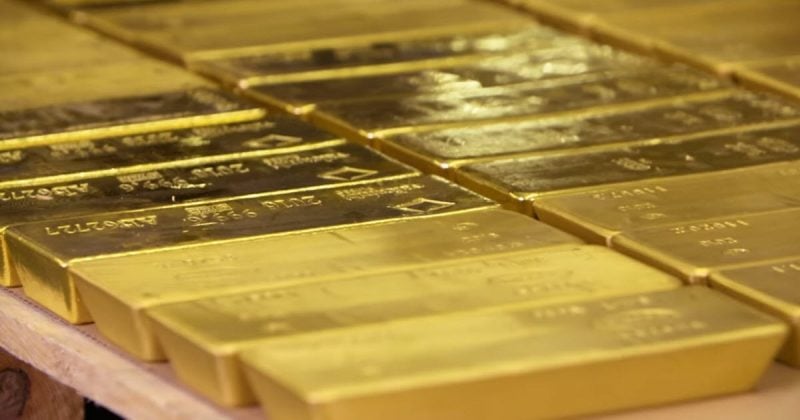
The conventional logic goes like this: when a local currency weakens, investors in that country look for stores of value that aren’t losing purchasing power. Gold has historically been that outlet in India, where it carries deep cultural significance. Bitcoin and other crypto assets have increasingly entered that conversation as a digital alternative, particularly among younger, more tech-savvy Indian investors.
The relationship between localized currency weakness and crypto demand is more narrative than data at this point. India’s crypto market activity tends to follow global trends — Bitcoin’s price action, broader risk appetite, regulatory developments — rather than responding mechanically to rupee depreciation.
The mounting short positions on the rupee suggest traders aren’t betting on a quick resolution. If the RBI’s internal debate drags on while the currency keeps weakening, the central bank may eventually be forced into action at a less favorable level.
Disclosure: This article was edited by Editorial Team. For more information on how we create and review content, see our Editorial Policy.





 English (US) ·