
 1 hour ago
27
1 hour ago
27
SpaceX swallowed Elon Musk’s AI company xAI in a deal valued at $1.25 trillion, and not everyone on Wall Street is popping champagne about it.
The merger, completed around the start of February 2026, combined SpaceX’s $1 trillion valuation with xAI’s $250 billion price tag. What followed was a rapid-fire transformation: rebranding services under the SpaceXAI banner, rolling out Grok AI models, and sketching plans for orbital AI data centers powered by the Starlink satellite network. Then came a record-setting IPO in June, with the combined entity fetching a valuation somewhere between $1.5 trillion and $1.77 trillion.
The financials tell two very different stories
In 2025, xAI posted operating losses of roughly $6.355 billion against revenues of just $3.201 billion. The company spent more than $12.7 billion on infrastructure alone that year.
In Q1 2026, SpaceX reported total revenue of approximately $4.69 billion but swung to an operating loss of $1.94 billion, with AI expenditures dragging the whole operation into the red.
Leading analysts have used phrases like “material threat of value destruction” to describe what could happen if the AI bet doesn’t pay off.
The orbital compute dream, and why skeptics aren’t buying it
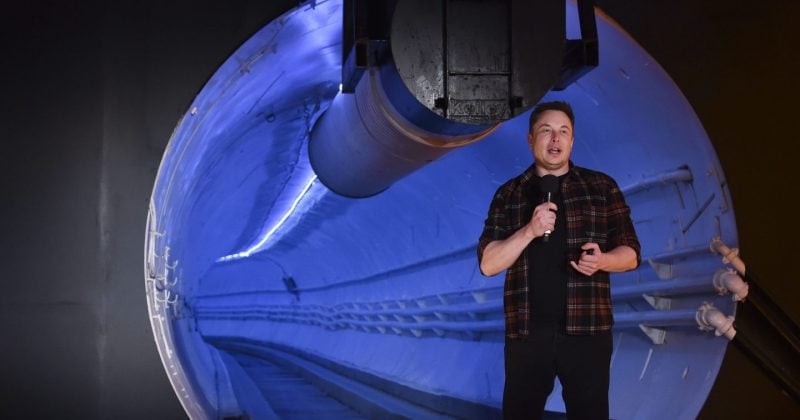
Skeptics have pointed to Musk’s track record of managing multiple entities simultaneously as another risk factor. Between Tesla, SpaceX, xAI, X (formerly Twitter), The Boring Company, and Neuralink, the question is whether one person can effectively steer this many ships at once, especially when several of those ships are now welded together.
The Cursor acquisition in June 2026, an all-stock deal worth $60 billion for the AI coding startup, signals that SpaceX isn’t slowing down on the AI spending spree. The latest Grok 4.5 model release suggests the company is trying to establish competitive footing against entrenched players like OpenAI, Google DeepMind, and Anthropic.
Echoes of the dot-com bubble
Several analysts have drawn uncomfortable parallels between SpaceX’s AI-driven valuation and the speculative excess of the late 1990s. SpaceX’s IPO reportedly raised tens of billions, driven in part by investors who didn’t want to miss the next generational wealth-creation event. When a company can lose nearly $2 billion in a single quarter and still command a valuation north of $1.5 trillion, the question isn’t whether AI is real. The question is whether the price already assumes AI will be everything its boosters promise.
xAI’s 2025 revenue of $3.201 billion represents a fraction of what would be needed to justify a $250 billion standalone valuation.
What this means for investors
SpaceX’s aerospace business generates real revenue with demonstrated margins. Its AI business generates real losses with demonstrated ambition. The market is being asked to price both of these realities into a single stock.
For investors who bought into the IPO, the near-term risk is that operating losses in the AI segment continue to widen as the company pours capital into infrastructure, acquisitions, and model development. The $60 billion Cursor deal, done entirely in stock, dilutes existing shareholders while adding another unprofitable AI asset to the portfolio.
Disclosure: This article was edited by Editorial Team. For more information on how we create and review content, see our Editorial Policy.





 English (US) ·