
 5 hours ago
11
5 hours ago
11
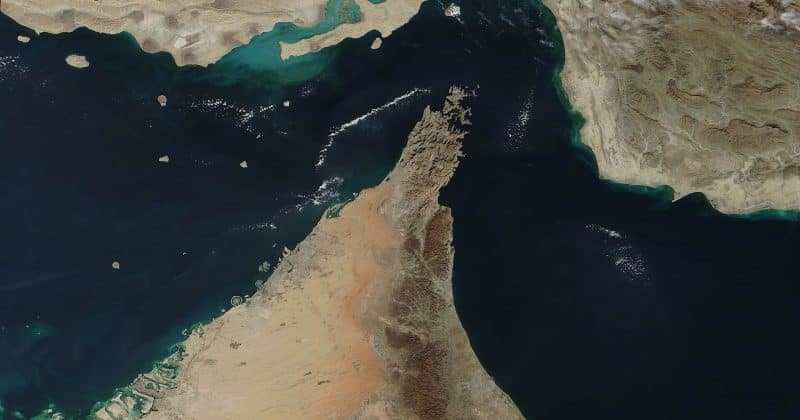
Iran’s foreign ministry confirmed it has reached an agreement with Oman to return maritime traffic in the Strait of Hormuz to normal levels, with the two countries set to develop a joint mechanism for managing vessel transit through the waterway.
The announcement lands at a moment when the strait, which handles roughly 20% of the world’s seaborne oil trade, has been operating at a fraction of its normal capacity. Daily ship counts have plummeted to single digits from around 140 before the crisis began in late February.
What the agreement actually involves
Iranian Deputy Foreign Minister Kazem Gharibabadi announced back in April that Iran and Oman were drafting a protocol for coordinating transit through the strait. The framework positions both nations as joint overseers of vessel movement, with the stated goal of enhancing safe passage rather than imposing restrictive tolls.
Iran’s Foreign Ministry spokesperson has indicated that fees may be charged for navigational services. During the peak of the crisis, transit fees reportedly climbed as high as $2 million per vessel.
The protocol being drafted would require advance permits from both Iran and Oman for vessels transiting the strait.
A US-Iran deal framework was announced around June 14-15, with a formal signing expected on June 19. That deal includes provisions specifically aimed at reopening the strait.
The crisis that brought us here
The Strait of Hormuz crisis kicked off on February 28, and traffic dropped from roughly 140 vessels per day to single digits.
Iran reportedly began accepting cryptocurrency payments, including Bitcoin, for transit arrangements during the disruption.
Oman sits directly across the strait from Iran, and its territorial waters form the other half of the shipping lanes. Oman has long positioned itself as a neutral mediator in the Gulf.
What this means for markets and investors
For oil prices specifically, the normalization agreement creates a ceiling on the geopolitical risk premium that has been baked into crude markets since February. The new permit requirements add bureaucratic friction, and the possibility of ongoing fees, even if significantly lower than the $2 million per vessel seen during the crisis, changes the cost calculus for every tanker route through the region.
Iran’s acceptance of Bitcoin for transit fees during the crisis represents one of the more concrete examples of a nation-state using cryptocurrency to facilitate real economic activity under pressure.
The US-Iran deal expected on June 19 will be the next major catalyst, with provisions that include clear terms on reopening the strait.
Disclosure: This article was edited by Editorial Team. For more information on how we create and review content, see our Editorial Policy.







 English (US) ·