
 1 hour ago
15
1 hour ago
15
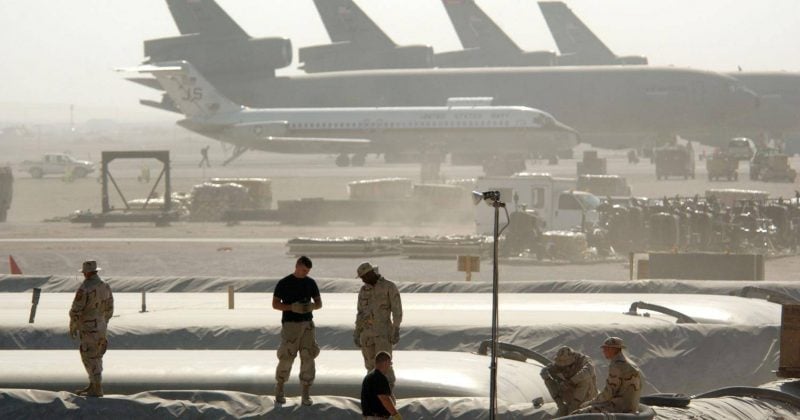
Iran has blocked the Strait of Hormuz, according to reports from Ynetnews, following weeks of strikes that failed to achieve central objectives. This development marks a significant escalation in the ongoing U.S.–Iran conflict, where control over this critical maritime route has been fiercely contested. The closure of the strait, a vital chokepoint for global oil shipments, could have far-reaching economic and geopolitical consequences. It underscores the heightened state of military engagement in the region, with both Iran and the United States engaging in direct military actions, further complicating prospects for a diplomatic resolution.
Key Takeaways
- The closure of the Strait of Hormuz by Iran suggests a significant escalation, likely decreasing the chances of maritime traffic normalization by July 31.
- Market pricing indicates a reduced likelihood of the U.S. announcing an end to the Iranian blockade by the end of July, reflecting heightened tensions.
- The current situation points to prolonged disruptions in oil shipping routes, with potential impacts on global energy markets.
What to Watch
Observers will be closely monitoring any statements from U.S. President Donald Trump or Iranian leaders that could indicate a shift in policy or a de-escalation of the situation. Key indicators that could signify a change include announcements regarding the lifting of the blockade or any diplomatic efforts to resolve the conflict. Additionally, movements in related markets, such as those forecasting a U.S.-Iran ceasefire or changes in military engagement, may provide further insights into potential developments. The next few days will be critical, as the July 31 deadline approaches for both the normalization of traffic and potential U.S. announcements regarding the blockade.
Get live prediction-market analysis, powered by Vera. Sign up for Vera.
Disclosure: This article was edited by Estefano Gomez. For more information on how we create and review content, see our Editorial Policy.



 English (US) ·