
 1 hour ago
13
1 hour ago
13
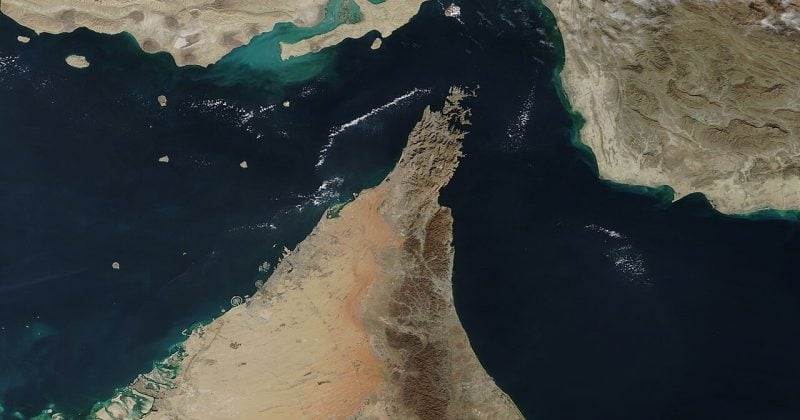
Iran’s top joint military command has declared that it will not permit the United States to intervene in the management of the Strait of Hormuz. This statement comes amidst the ongoing 2026 Iran–US war, where Iran has effectively imposed a blockade on the critical waterway, countering demands by US President Donald Trump to open it unconditionally. The tension over the strait, a vital passage for global oil shipments, highlights Iran’s resolve to maintain control despite US military actions aimed at weakening Iranian capabilities. The Iranian stance suggests a firm rejection of US intervention, reflecting the strategic importance Iran places on the Strait of Hormuz, which it views as a critical asset.
Key Takeaways
- Iran’s military command statement appears consistent with a stance against US intervention, suggesting heightened tensions but not immediate escalation.
- The market’s response indicates a moderate decrease in the probability of a US invasion of Iran, with odds at 18.5% for a US offensive by the end of 2026.
- The situation may reinforce the perception of a prolonged conflict over the Strait of Hormuz, a significant geopolitical flashpoint.
What to Watch
Observers will be monitoring any shifts in US military posture or diplomatic efforts that could alter the current dynamics. Key indicators include potential diplomatic engagements between the US and Iran, any further military actions in the region, and statements from US and Iranian leaders. Developments in these areas could influence market perceptions regarding the likelihood of a US invasion. Additionally, the response from other regional actors, such as Israel and potential ceasefire brokers like Pakistan and China, could provide further context on the evolving situation.
Get live prediction-market analysis, powered by Vera. Sign up for Vera.
Disclosure: This article was edited by Estefano Gomez. For more information on how we create and review content, see our Editorial Policy.






 English (US) ·