
 1 hour ago
16
1 hour ago
16
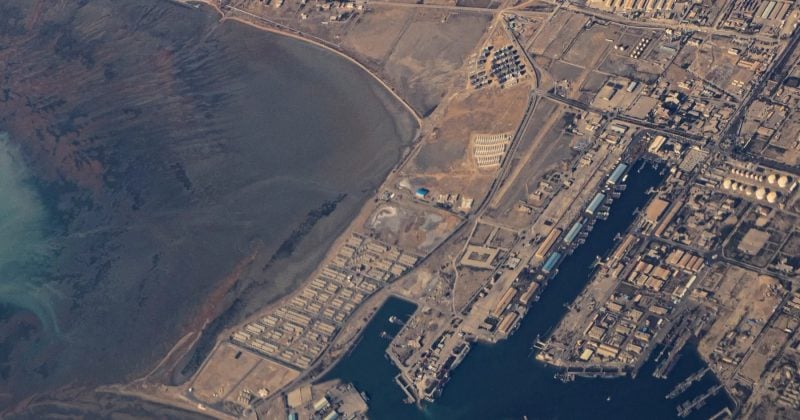
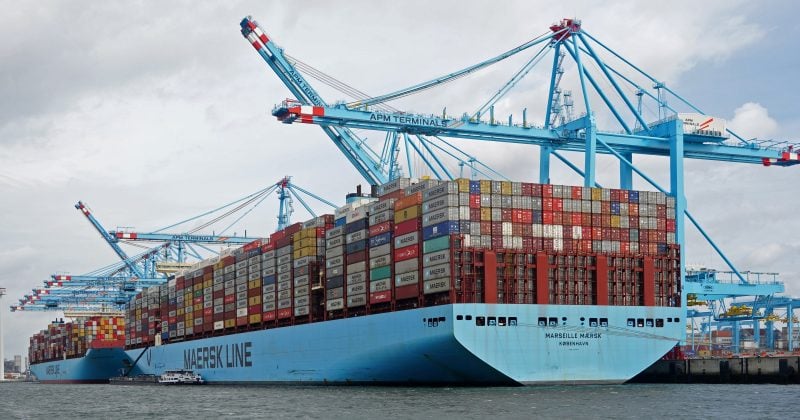
Iran’s Islamic Revolutionary Guard Corps (IRGC) Navy has announced the temporary closure of the Strait of Hormuz, a critical chokepoint for global oil shipments, according to a statement broadcasted by Iran’s state media. The closure is presented as a response to alleged U.S. ceasefire violations and Israeli military actions in southern Lebanon, with Iran warning that any attempts to establish unauthorized shipping routes will face severe consequences. Despite this announcement, U.S. military data and shipping trackers indicate that a significant number of merchant vessels continue to transit the strait, suggesting the blockade may be more symbolic or selectively enforced rather than a complete physical shutdown.
Key Takeaways
- The closure announcement by Iran’s IRGC Navy appears to escalate tensions, consistent with scenarios where Strait of Hormuz traffic struggles to normalize soon.
- Current market pricing reflects a low probability of Strait of Hormuz traffic returning to normal levels by July 7, with odds at approximately 0.1% YES.
- Odds for traffic normalization by July 31 have declined to 5.5% YES, suggesting ongoing skepticism about a swift resolution to the blockade.
What to Watch
The situation remains fluid, with potential developments from both Iranian and international actors capable of shifting market expectations. Watch for any official ceasefire agreements or diplomatic negotiations that could lead to a reopening of the strait. Additionally, global oil flow data and shipping reports from organizations like IMF PortWatch and Lloyd’s List Intelligence will be critical in assessing the actual impact on maritime traffic. Any substantial increase in vessel movements or announcements of lifted restrictions could indicate progress towards normalization.
Get live prediction-market analysis, powered by Vera. Sign up for Vera.
Disclosure: This article was edited by Estefano Gomez. For more information on how we create and review content, see our Editorial Policy.







 English (US) ·