
 6 hours ago
15
6 hours ago
15
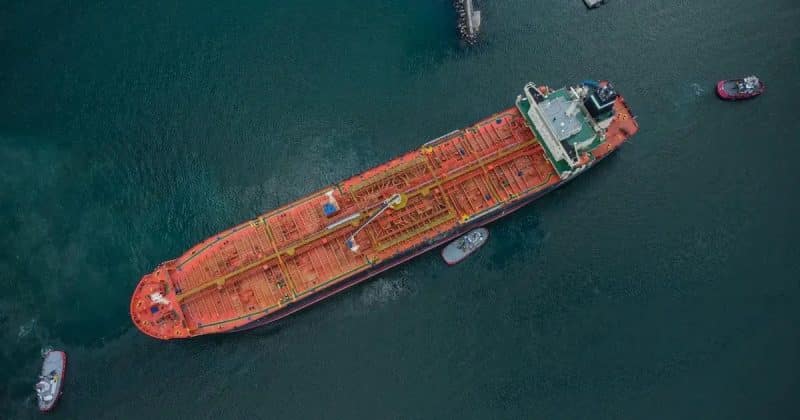
Iran is charging ships roughly $1 per barrel to transit the Strait of Hormuz, and it wants to be paid in Bitcoin or stablecoins. Welcome to 2026, where geopolitical chokepoints meet crypto wallets.
The arrangement, quietly facilitated with US knowledge, allows Qatari liquefied natural gas tankers to pass through Iranian-approved northern routes in exchange for tolls collected by IRGC intermediaries. Qatar, which holds around $6 billion in frozen Iranian assets, has emerged as the central player in a complex web connecting Washington, Tehran, Islamabad, and the global energy supply chain.
How the Hormuz crisis became a crypto story
The crisis traces back to February 28, 2026, when Iran began blocking shipping lanes in the Strait of Hormuz. For context, roughly a fifth of the world’s petroleum passes through that 21-mile-wide bottleneck.
Rather than a complete standoff, what emerged was something more nuanced: a case-by-case transit approval system. Qatari LNG vessels, including the tanker Al Kharaitiyat, have been granted passage through Iran-approved northern routes. The approvals have been mediated by Pakistan, which has its own urgent reasons for keeping the gas flowing, namely a persistent energy crisis that has made securing LNG shipments a national priority.
Pakistan facilitated the approval of an initial two Qatari LNG shipments, with plans for additional vessels. The indirect involvement of the US adds another layer to negotiations.
Iran’s toll collection strategy doesn’t rely on traditional banking rails. The transit fee of approximately $1 per barrel is payable in stablecoins or Bitcoin, routed through IRGC intermediaries. Iran has spent years being locked out of the SWIFT international payments system. Stablecoins and Bitcoin offer a way to collect revenue without touching the traditional financial infrastructure that the US can monitor and restrict.
The $6 billion shadow over negotiations
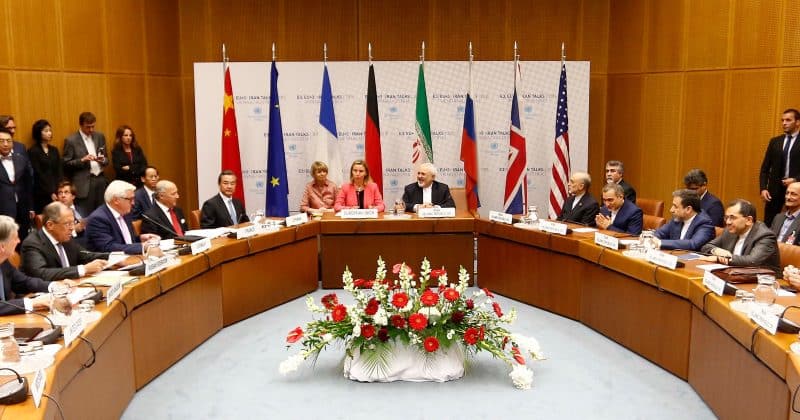
Qatar holds approximately $6 billion in Iranian assets, funds that were initially released as part of a 2023 prisoner swap deal between the US and Iran. Those frozen assets have become a persistent point of tension in broader negotiations about sanctions relief, humanitarian aid, and tanker passage rights.
Qatar is simultaneously a custodian of Iranian money, a mediator in transit negotiations, and one of the world’s largest LNG exporters with its own commercial interest in keeping tankers moving. Whether direct payments from Qatar to Iran are specifically tied to tanker transits remains a murky question.
Scams, risks, and what investors should watch
Fake payment requests purportedly from Iranian authorities have begun targeting shipping companies navigating the Hormuz crisis. These counterfeit demands ask for Bitcoin or Tether payments in exchange for transit clearance that the scammers have no authority to grant.
For crypto investors, the Hormuz situation represents something significant beyond the immediate crisis. A sovereign nation is using Bitcoin and stablecoins as the default payment mechanism for a major international trade route. The implications for stablecoin demand are worth monitoring closely, as the utility case for dollar-pegged stablecoins as sanctions-circumvention tools becomes harder for regulators to ignore.
Disclosure: This article was edited by Editorial Team. For more information on how we create and review content, see our Editorial Policy.




 English (US) ·