
 1 hour ago
22
1 hour ago
22
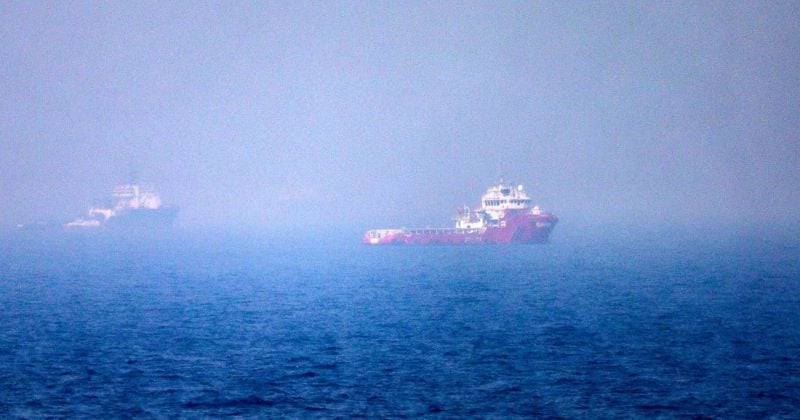
The ongoing conflict involving Iran has triggered a significant shift in the energy strategies of countries heavily reliant on imported fuel. According to a report by The New York Times, the war is prompting energy buyers, particularly in Asia and Europe, to reduce their dependence on global markets. As a result, these buyers are increasingly turning to domestic gas sources and other local energy alternatives. This strategic pivot is largely in response to disruptions in energy flows through the Strait of Hormuz, a critical passage for the global oil and LNG trade, which has seen countries like China and India diversifying their energy portfolios to enhance security and manage costs.
In the prediction markets, this shift is seen as a potential driver for increased crude oil prices, with the odds of reaching new all-time highs being closely monitored. Currently, the market odds for crude oil reaching a new all-time high by September 30 stand at 6%, while the odds increase to 13.5% for a December 31 target. Market participants appear to interpret the geopolitical tensions and energy supply constraints as supportive of a YES outcome in these scenarios.
The implications of this energy market realignment reflect broader concerns about supply security and the potential for sustained price increases. The situation underscores the volatility and complexity of energy markets in times of geopolitical conflict, with significant impacts on global economic stability.
Key Takeaways
- The Iran war appears to be driving energy buyers to seek domestic and local energy sources, reducing reliance on global markets.
- Markets suggest this shift could lead to increased demand for oil, potentially supporting higher crude oil prices.
- Current market pricing implies a modest increase in the likelihood of crude oil reaching a new all-time high by year-end.
What to Watch
Watch for any developments in the Strait of Hormuz that could either exacerbate or alleviate current supply disruptions. Key actors such as OPEC’s Secretary General and Saudi Arabia’s Energy Minister may provide insights into production adjustments that could influence market dynamics. Additionally, shifts in energy policies from major consumers like China and India could further impact the global energy landscape, potentially altering the odds in these prediction markets.
Get live prediction-market analysis, powered by Vera. Sign up for Vera.
Disclosure: This article was edited by Estefano Gomez. For more information on how we create and review content, see our Editorial Policy.






 English (US) ·