
 1 hour ago
14
1 hour ago
14
Oil prices have increased by $3 following reports that Iran is considering a veto on US and Israeli ships navigating the strategic Strait of Hormuz. This development escalates the ongoing tensions between Iran, the United States, and Israel concerning the vital maritime route, crucial for global oil and gas transport. Historically, Iranian restrictions in this region have resulted in immediate impacts on oil prices, reflecting the significance of the Strait in global energy markets. The Iranian Revolutionary Guard has previously imposed selective navigation restrictions, heightening military and diplomatic tensions in the area.
Key Takeaways
- Market activity suggests a decreased likelihood of the US imposing Hormuz fees, as current pricing indicates a 1.8% probability for August and 8.5% for December.
- The recent Iranian considerations could imply increased regional tensions, possibly leading to Iranian fees rather than US-imposed fees.
- Observers interpret these developments as consistent with scenarios where Iran leverages the Strait of Hormuz as a strategic pressure point.
What to Watch
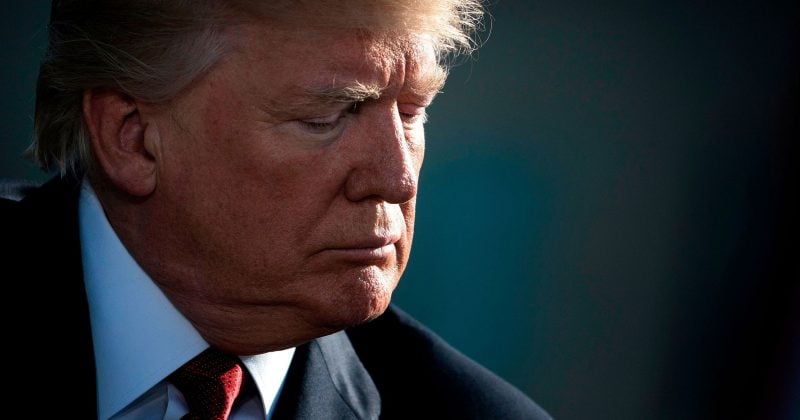
The focus will remain on official US responses, particularly any statements from President Donald Trump or Secretary of State Marco Rubio that might indicate a shift in the US’s stance on Hormuz fees. Any confirmation from Iran regarding the imposition of fees could further decrease the likelihood of US fees. Developments in the region’s geopolitical landscape, particularly involving the Iranian Revolutionary Guard’s actions, will continue to influence market expectations and pricing.
Get live prediction-market analysis, powered by Vera. Sign up for Vera.
Disclosure: This article was edited by Estefano Gomez. For more information on how we create and review content, see our Editorial Policy.





 English (US) ·