
 1 hour ago
20
1 hour ago
20
Iran is reportedly weighing whether to let European nations help remove naval mines from the Strait of Hormuz, a move that could significantly de-escalate tensions in a waterway responsible for roughly 20% of global seaborne oil traffic.
The consideration comes after Iran laid somewhere between 10 and a dozen mines in the strait during escalating tensions earlier this year. A memorandum of understanding between the US and Iran reportedly gives Tehran a 30-day window to clear the mines and restore normal shipping operations. The catch: Iran is considerably better at putting mines in the water than taking them out.
Why Europe is being brought into the picture
Iran’s mine-laying capabilities far outpace its mine-clearing expertise. Removing naval mines from a busy shipping corridor is painstaking, dangerous work that can stretch over weeks or even months, depending on how many devices have drifted from their original positions.
European naval assets have been proposed as a practical solution. The UK Royal Navy operates mine-hunting drones specifically designed for this kind of operation. France, Germany, the Netherlands, and Italy could also contribute under existing frameworks like EUNAVFOR, the European Union’s naval force structure.
The involvement of European allies rather than US forces could also serve a diplomatic function. Having NATO-aligned but non-American navies handle the operation gives Iran a face-saving path forward.
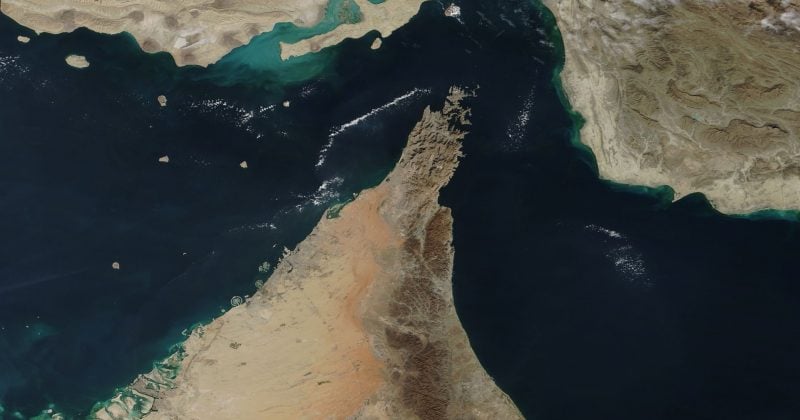
The Strait of Hormuz: a chokepoint with global consequences
This is not the first time mines have disrupted traffic through the strait. During the Iran-Iraq Tanker War in the late 1980s, Iran deployed mines that damaged several commercial vessels and a US warship, the USS Samuel B. Roberts.
The strait itself is narrow, roughly 21 miles wide at its tightest point, with shipping lanes even narrower. About a fifth of all oil moved by sea passes through this corridor.
The current mine threat has already constrained commercial shipping activity in the region. Vessels have been rerouted or delayed, adding insurance costs and logistical headaches that ultimately get passed along to consumers and markets.
Demining operations face several technical hurdles beyond the mines themselves. Drifting devices can move from their original deployment positions, making them harder to locate. The strait’s busy traffic patterns complicate search operations. And sovereignty questions, specifically who has authority to operate in which waters, add a layer of diplomatic complexity to what is already a dangerous physical task.
What this means for investors
Markets have been pricing in Strait of Hormuz risk for months. If European mine-clearing operations actually materialize and proceed on a reasonable timeline, it could serve as a pressure release valve for oil markets. Lower oil prices tend to ease inflation expectations, which in turn affect Federal Reserve rate decisions and broader risk appetite.
If the 30-day MoU deadline passes without meaningful progress, or if Iran reverses course and blocks European participation, the risk premium on oil could surge again. If EUNAVFOR or a similar coalition formally commits naval assets, it signals a level of Western coordination that could stabilize not just the strait but broader Middle Eastern risk perceptions.
Disclosure: This article was edited by Editorial Team. For more information on how we create and review content, see our Editorial Policy.








 English (US) ·