
 1 hour ago
15
1 hour ago
15
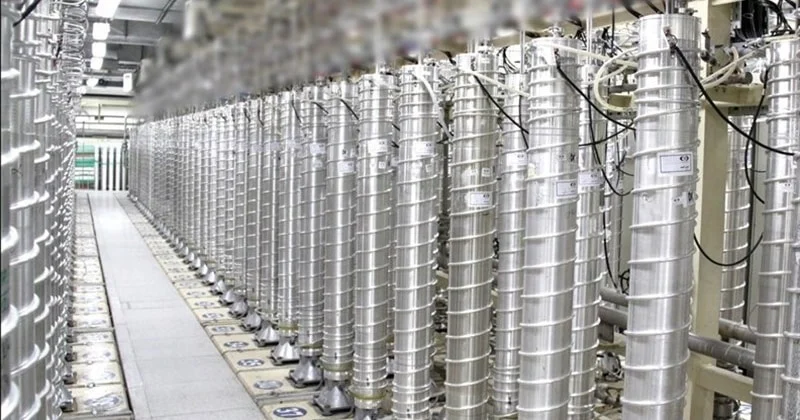
Iran is weighing the option of shipping its stockpile of 60% enriched uranium to China as part of ongoing nuclear negotiations with the United States. Beijing has reportedly signaled openness to serving as a custodian for the material, though the exact safeguards Washington would demand remain unclear.
The International Atomic Energy Agency estimated Iran’s 60% enriched uranium stockpile at roughly 408.6 kg as of mid-May 2025. That’s enough fissile material for several nuclear devices if enriched further, which explains why getting it out of Iranian hands is a central sticking point in talks.
What’s on the table
The idea of transferring uranium to a third country isn’t new. It has been a recurring theme in US-Iran discussions stretching back years, and it surfaced again when negotiations resumed in April 2025.
What makes this iteration different is the specific partner. China accounts for roughly 90% of Iran’s oil exports, giving Beijing enormous economic leverage over Tehran.
Iran has reportedly conditioned any transfer on receiving guarantees from China. The nature of those guarantees, whether they involve return provisions, financial compensation, or something else entirely, hasn’t been publicly detailed.
Iranian officials have denied that a concrete agreement exists, while simultaneously signaling conditional openness.
China’s interest in playing this role is shaped by more than altruism. As a signatory to the original JCPOA (the 2015 nuclear deal), Beijing has institutional standing in Iran’s nuclear arrangements. Its energy interests provide the economic motivation.
The crypto angle: Iran’s shadow financial infrastructure
Iran has maintained extensive Bitcoin mining operations, taking advantage of heavily subsidized domestic energy to produce Bitcoin at costs far below global averages. Estimates suggest the country’s crypto holdings could be valued at several billion dollars, with much of it directed toward circumventing sanctions and facilitating trade, particularly with China.
Iran’s Bitcoin mining operations have been active since at least 2019. The mining revenue provides hard currency that doesn’t need to pass through the traditional banking system, where US sanctions enforcement has its tightest grip.
The trade relationship with China is the critical link. Iran exports oil to China, often at discounted rates, and the financial plumbing for those transactions frequently involves workarounds that traditional finance can’t easily accommodate.
What this means for investors
Traders should watch for two signals. One is any formal announcement of a uranium transfer agreement. The other is any language in a potential deal that specifically addresses Iran’s crypto mining operations or digital asset holdings, which would signal that regulators are beginning to treat nation-state crypto activity as a formal component of sanctions architecture.
The diplomatic situation remains genuinely fluid. Iran’s public posture of conditional openness could harden into a deal or dissolve into another round of posturing.
Disclosure: This article was edited by Editorial Team. For more information on how we create and review content, see our Editorial Policy.





 English (US) ·