
 1 hour ago
14
1 hour ago
14
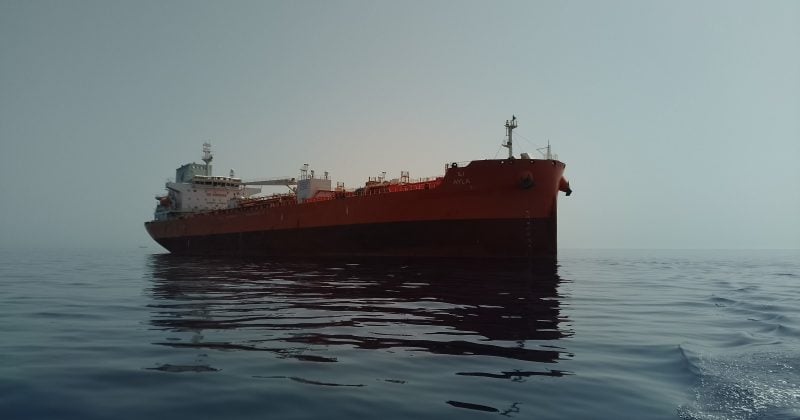
Iran has reportedly refused to provide U.S. President Donald Trump with a face-saving victory, maintaining its stance in the strategic Strait of Hormuz. This development comes amid heightened tensions between the United States and Iran, where Iran’s control over the strait has become a focal point in the broader geopolitical standoff. The Strait of Hormuz, a critical chokepoint for global energy supplies, remains a strategically vital area where Iran has exerted pressure on the U.S. by restricting transit and threatening maritime security. This latest stance from Iran suggests continued resistance to U.S. efforts to ease the blockade, potentially impacting market expectations regarding the end of the blockade.
Key Takeaways
- Market pricing suggests a decrease in the likelihood of the U.S. announcing the end of the Iranian blockade by July 24, 2026, as Iran maintains control over the Strait of Hormuz.
- The refusal by Iran to provide a diplomatic victory to Trump appears consistent with scenarios where the blockade persists, impacting market odds and expectations for resolution.
- The current market pricing reflects a 0.5% probability for a July 24 resolution, with slightly higher odds for subsequent dates, suggesting uncertainty about the blockade’s end.
What to Watch
Observers should monitor any statements from key actors such as President Trump, the U.S. Central Command, and Iranian leaders that could indicate shifts in policy or strategy. Developments such as official announcements from either government about the status of the blockade or changes in maritime activity through the Strait of Hormuz would be significant indicators. Continued tension and lack of diplomatic progress may reinforce scenarios where the blockade persists, affecting market expectations for the upcoming weeks.
Get live prediction-market analysis, powered by Vera. Sign up for Vera.
Disclosure: This article was edited by Estefano Gomez. For more information on how we create and review content, see our Editorial Policy.






 English (US) ·