
 1 hour ago
24
1 hour ago
24
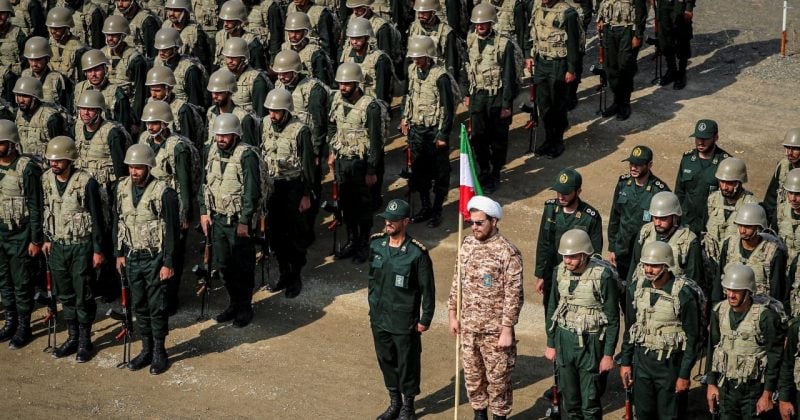
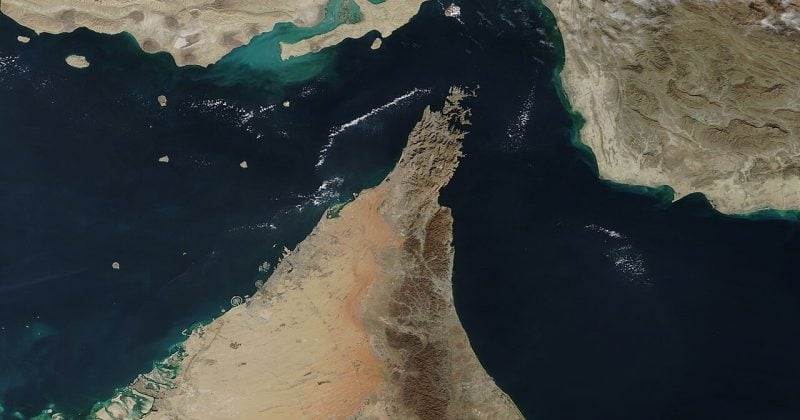
In the past 24 hours, only six ships have successfully navigated the Strait of Hormuz, a critical waterway for global oil shipments. This development comes amid heightened tensions in the region, as Iran’s Islamic Revolutionary Guard Corps (IRGC) enforces a selective blockade. This move follows the collapse of a ceasefire agreement between the US, Israel, and Iran, which had initially allowed for some reopening of the strait. With over 150 ships reportedly stranded in the Gulf, the sharp reduction in vessel transit from the pre-crisis daily average of up to 153 ships underscores the severity of the geopolitical situation.
Key Takeaways
- The limited ship transit through the Strait of Hormuz appears to suggest ongoing restrictions by Iran, consistent with a heightened geopolitical standoff.
- Market pricing for the number of ships transiting the strait during the week of July 6, 2023, is supportive of fewer than 150 ships crossing, with current pricing at 77% YES.
- The drop in daily transits may indicate a persistent blockade, impacting the broader regional stability and global oil markets.
What to Watch
Observers should monitor any diplomatic efforts towards re-establishing a ceasefire and reopening the Strait of Hormuz, which could alter market expectations. Developments such as renewed military actions or announcements from key actors like the US, Iran, or Israel could significantly impact the situation. Continued low transit numbers would be consistent with scenarios where the blockade remains effective, while increased traffic would suggest easing tensions.
Get live prediction-market analysis, powered by Vera. Sign up for Vera.
Disclosure: This article was edited by Estefano Gomez. For more information on how we create and review content, see our Editorial Policy.






 English (US) ·