
 6 hours ago
18
6 hours ago
18
Iran and the United States have reached the finish line on a memorandum of understanding designed to end the regional conflict that erupted in February 2026. The 14-point MoU, announced on June 15, represents the most consequential diplomatic breakthrough between Washington and Tehran in decades.
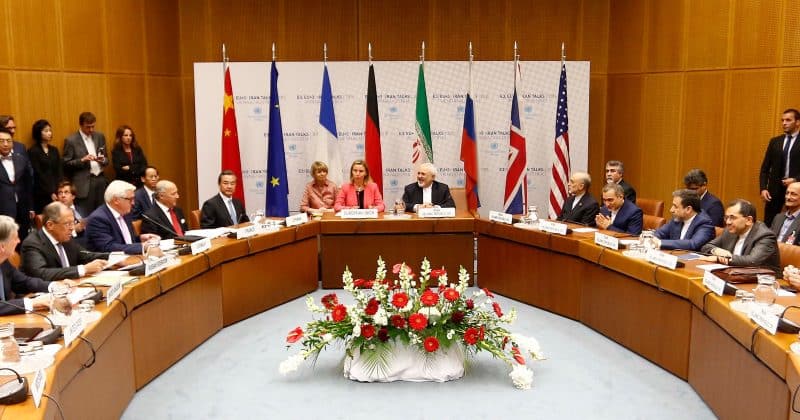
A formal signing ceremony is scheduled for June 19 in Geneva, Switzerland. After that, both sides will enter a 60-day negotiation period focused on the thorniest issue still on the table: Iran’s nuclear program.
What’s in the deal
The MoU calls for an immediate and permanent cessation of military operations across multiple fronts, including Lebanon. The US naval blockade on Iranian ports would be lifted, and operations through the Strait of Hormuz would resume under negotiated terms.
On the economic side, Iran stands to receive sanctions relief and the release of $24 billion in frozen assets.
The document itself is reportedly concise, just one page. It was crafted with the direct involvement of President Donald Trump and key envoys including Steve Witkoff and Jared Kushner. Negotiations were facilitated through intermediaries, with Pakistan and Qatar playing bridge roles between the two sides.
Iranian authorities have confirmed the MoU’s finalization. However, US officials have signaled that additional clarifications are still needed regarding implementation timelines and specific nuclear commitments before the agreement can be fully enacted. The 60-day post-signing negotiation window is designed to address exactly those gaps.
What this means for markets and crypto investors
The MoU does not mention crypto, digital assets, or blockchain anywhere. It’s a geopolitical agreement, full stop.
The lifting of the naval blockade and the restoration of Strait of Hormuz operations would likely push oil prices lower as supply constraints ease. The $24 billion in frozen assets being released to Iran is another variable worth watching, as their reintroduction into the global financial system adds liquidity.
The 60-day nuclear negotiation window could easily stall or collapse. US officials have already flagged concerns about timelines and commitments. If the deal falls apart after signing, the whiplash effect on markets could reverse any stability premium that gets priced in between now and August.
Disclosure: This article was edited by Editorial Team. For more information on how we create and review content, see our Editorial Policy.







 English (US) ·