
 1 hour ago
15
1 hour ago
15
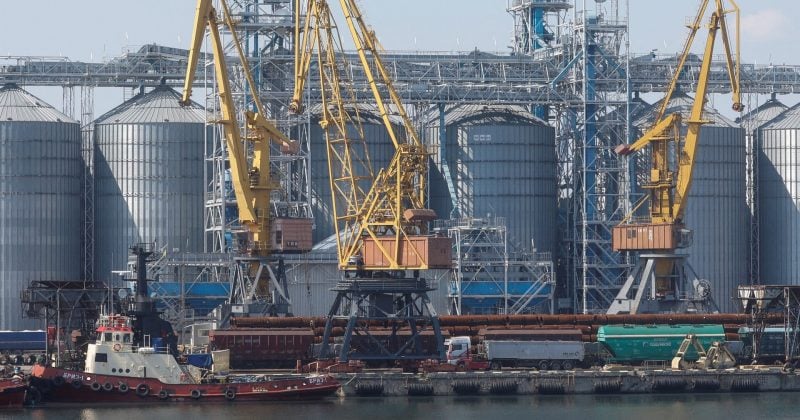
Iran and Yemen’s Houthi movement have attacked oil tankers, escalating tensions in the Bab al-Mandeb strait and Strait of Hormuz, according to reports from Al Jazeera. This development follows ongoing U.S. bombing of Iranian targets and retaliatory actions by Iran against U.S. military sites in the Gulf. The attacks have caused significant shipping disruptions in these strategic maritime chokepoints. Market pricing suggests increased concerns about the potential for broader conflict, particularly involving Houthi military actions against other regional players.
Key Takeaways
- Market pricing suggests increased concerns regarding Houthi military action against Israel, with the likelihood for such actions by July 31 currently priced at 11.5% YES.
- Recent attacks by Iran and Houthis on shipping lanes appear to have contributed to increased perceived risk of disruptions in the Bab al-Mandeb Strait, with the probability of an effective closure by September 30 now at 28% YES.
- The regional escalation involving critical shipping routes appears consistent with scenarios of increasing military tensions, impacting related markets such as potential ceasefires and regional stability.
What to Watch
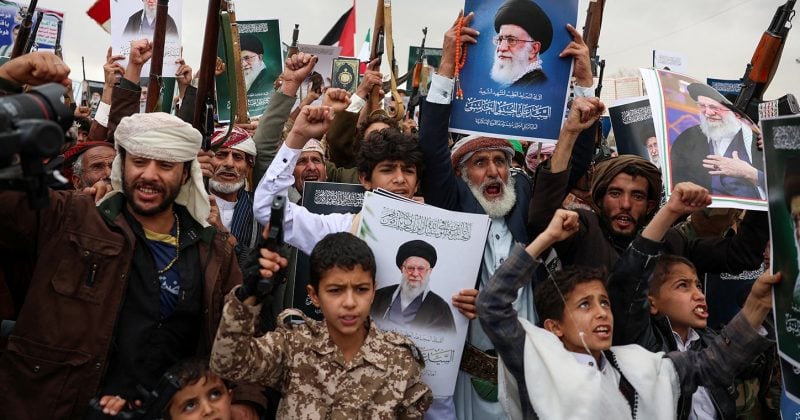
Developments in the U.S.-Iran conflict and further actions by the Houthis and Iran will be critical in shaping market expectations. Military responses from key actors such as Israel or the U.S. could influence the perceived likelihood of further Houthi actions. Monitoring statements from Houthi leaders and Iranian strategic figures will provide additional context on potential escalations. Any significant change in shipping activity or official reports of disruptions in the Bab al-Mandeb Strait could affect the market’s outlook on regional stability.
Get live prediction-market analysis, powered by Vera. Sign up for Vera.
Disclosure: This article was edited by Estefano Gomez. For more information on how we create and review content, see our Editorial Policy.







 English (US) ·