
 1 hour ago
23
1 hour ago
23
Ayatollah Ali Khamenei, the Supreme Leader of Iran since 1989 and one of the most consequential figures in modern geopolitics, was killed in a precision airstrike on his compound in Tehran on February 28, 2026. Iranian state media confirmed his death on March 1, 2026. He was 86 years old.
The assassination came amid the outbreak of what has been characterized as the 2026 Iran war, with U.S. intelligence reported as supporting the operation. Khamenei was killed alongside several family members and senior security officials. Iran’s funeral rites for its Supreme Leader were delayed by months due to ongoing conflict, finally commencing on July 3 and 4, 2026, with millions expected to attend amid a fragile regional truce.
The end of a 36-year reign
Khamenei’s tenure lasted more than 36 years, making him the longest-serving Supreme Leader in West Asia. Before ascending to the supreme leadership, Khamenei served as Iran’s president from 1981 to 1989.
The Iranian government’s confirmation came through state media roughly 24 hours after the strike, a delay that itself reflected the chaos unfolding inside the country’s security apparatus. The fact that senior security officials were also killed in the same strike signals a level of intelligence penetration that will rattle every remaining figure in Iran’s leadership structure.
Succession vacuum and what comes next
Iran’s constitution provides a framework for succession, but frameworks and reality are different things. The Assembly of Experts is technically responsible for selecting a new Supreme Leader, but that body operates within a political ecosystem that Khamenei himself shaped and, in many ways, controlled.
The fragile truce referenced in the funeral timeline suggests that some form of negotiated pause in hostilities was reached, but a truce is not a peace agreement.
What this means for global markets and crypto
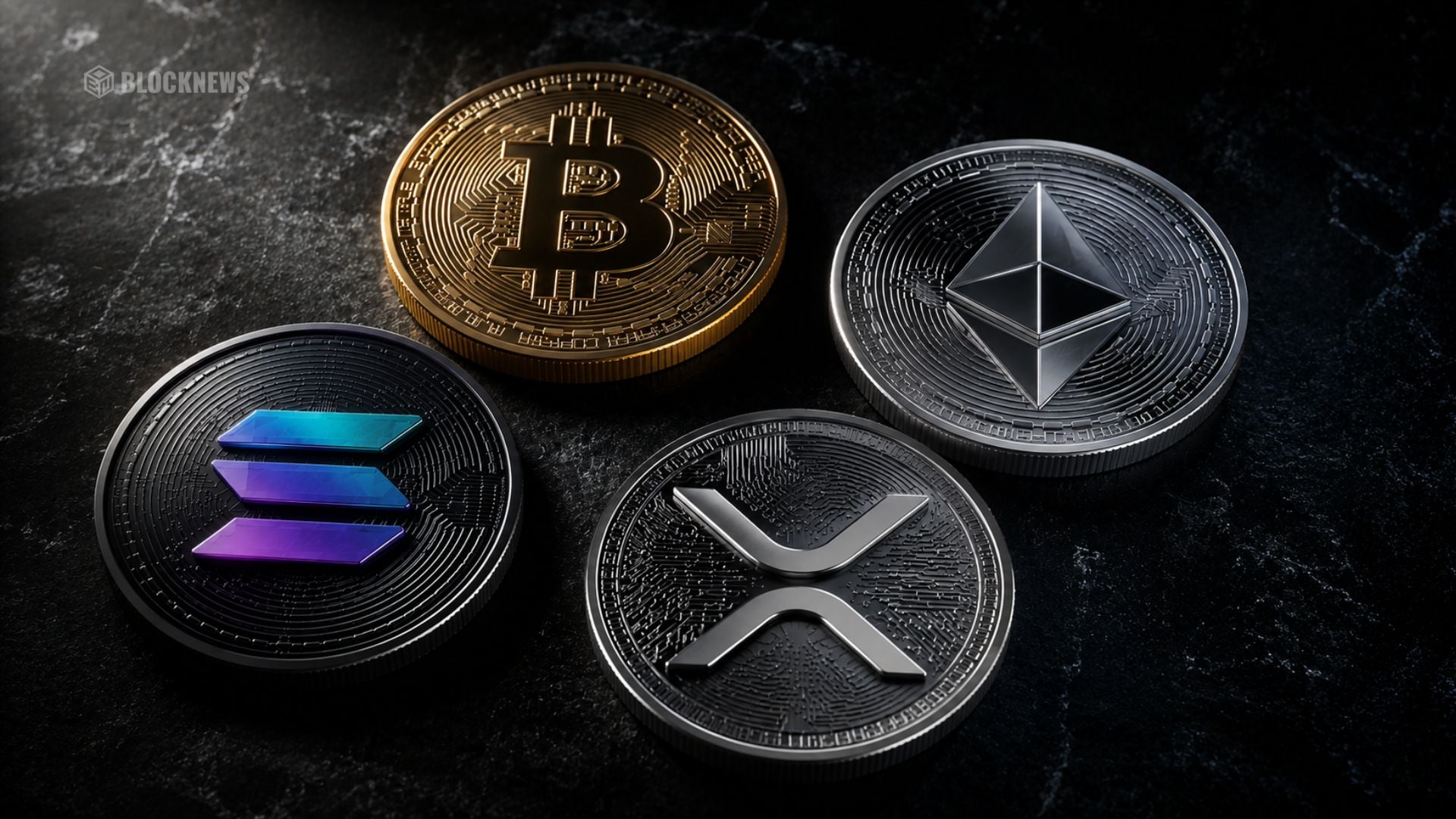
Iran has a documented history of crypto mining and crypto-denominated trade as a mechanism for working around sanctions. A post-Khamenei Iran, depending on which faction consolidates power, could move in dramatically different directions on that front.
A hard-line successor might double down on crypto as a sanctions-evasion tool, which would likely draw stronger regulatory responses from the U.S. Treasury and the European Union. A more pragmatic successor seeking economic relief might pursue a different path entirely.
Disclosure: This article was edited by Editorial Team. For more information on how we create and review content, see our Editorial Policy.







 English (US) ·