
 1 hour ago
9
1 hour ago
9
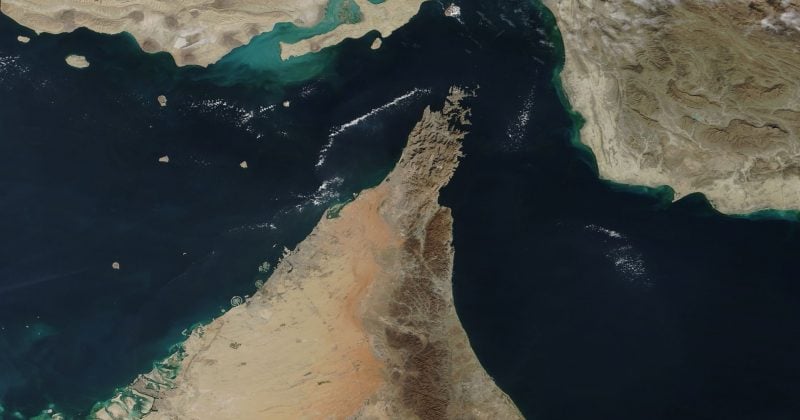
Iran has announced that it has reached an agreement with Oman on a proposed shipping route through the Strait of Hormuz. This development comes amid ongoing tensions in the region, where access to the critical waterway has been largely restricted since February 2026. The agreement with Oman represents a potential step toward partially reopening the strait for energy supplies, although it does not yet indicate a full resolution of the broader geopolitical disputes involving Iran, Oman, the United States, and Israel. The discussions between Tehran and Muscat point to a strategic effort to manage vessel traffic under controlled conditions rather than a complete normalization of shipping activities.
Key Takeaways
- The agreement between Iran and Oman suggests a move towards reopening the Strait of Hormuz for shipping, potentially de-escalating regional tensions.
- Market pricing indicates an increased likelihood of a U.S.-Iran agreement restoring normal shipping traffic, with odds rising to 67% for an August 15 resolution.
- The recent announcement has led to increased activity, reflecting optimism about a potential diplomatic breakthrough regarding the strait.
What to Watch
Observers will be monitoring for any formal statements from the U.S. and Iranian governments that could confirm a broader agreement involving the Strait of Hormuz. Key indicators would include joint announcements or evidence of increased shipping activity in the area. The geopolitical climate remains tense, and any further developments, such as a ceasefire extension or new diplomatic engagements, could significantly impact market expectations. Additionally, statements from international maritime authorities or changes in shipping data could influence perceptions of the situation’s stability.
Get live prediction-market analysis, powered by Vera. Sign up for Vera.
Disclosure: This article was edited by Estefano Gomez. For more information on how we create and review content, see our Editorial Policy.




 English (US) ·