
 6 hours ago
10
6 hours ago
10
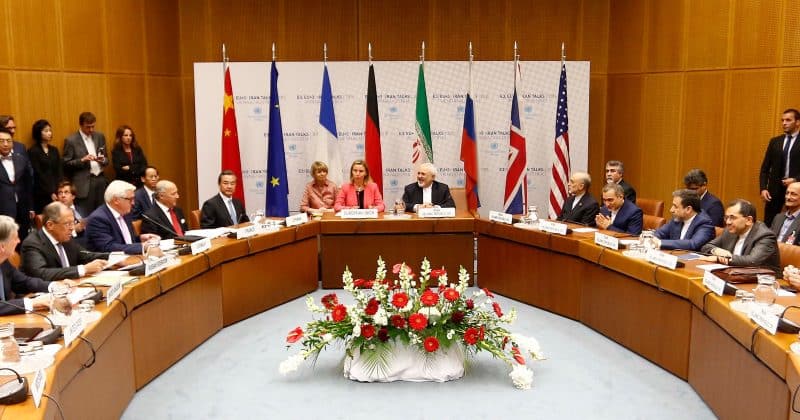
Iran’s foreign minister confirmed that the first round of formal negotiations with the US will begin after both sides sign a memorandum of understanding, a framework built, as he put it, on distrust and past breaches.
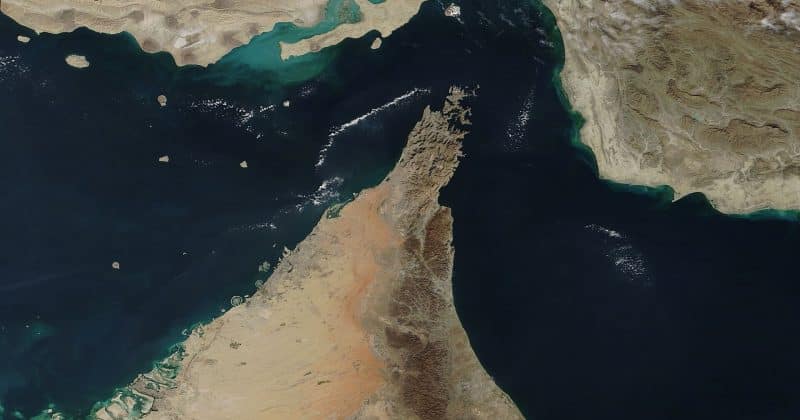
The MoU is designed to reduce hostilities between the two nations and potentially reopen the Strait of Hormuz, one of the most strategically important oil chokepoints on the planet. The deal’s sanctions relief framework involves frozen assets estimated between $12 billion and $24 billion, and the US has been aggressively targeting Iranian digital asset infrastructure.
What the MoU actually involves
The draft framework lays out a phased approach. The Strait of Hormuz would reopen within 30 days of signing, while asset releases totaling up to $24 billion would follow in stages.
Once those initial steps are verified, both sides would enter a 60-day negotiation window focused on nuclear issues and broader sanctions. Iran’s insistence on verification before negotiation is a direct response to what it characterizes as past breaches of agreements.
Prediction markets are pricing an 85% chance that the MoU gets approved.
The crypto dimension
On June 2, 2026, the US Treasury designated Nobitex and three other Iranian digital asset exchanges under sanctions. Nobitex is the largest crypto exchange in Iran, and its designation effectively cut it off from the global financial system.
US officials have seized approximately $1 billion in Iranian cryptocurrency assets as of late May 2026.
If the MoU leads to successful negotiations, some of these crypto-specific sanctions could be revisited. The $1 billion in seized crypto assets also becomes a negotiating chip. Any phased asset release that includes digital holdings would set a precedent for how nation-state crypto seizures are handled in diplomatic contexts.
What this means for investors
If sanctions on digital asset platforms can be negotiated away as part of geopolitical deals, it changes the risk calculus for every exchange, protocol, and investor operating in gray-zone jurisdictions, suggesting that crypto sanctions are tools of leverage rather than permanent designations.
Investors should watch for three specific signals: confirmation of the MoU signing, evidence of initial asset releases within the 30-day Strait of Hormuz timeline, and any Treasury guidance on whether crypto-specific sanctions fall within the scope of phased relief.
Disclosure: This article was edited by Editorial Team. For more information on how we create and review content, see our Editorial Policy.





 English (US) ·