
 1 hour ago
26
1 hour ago
26
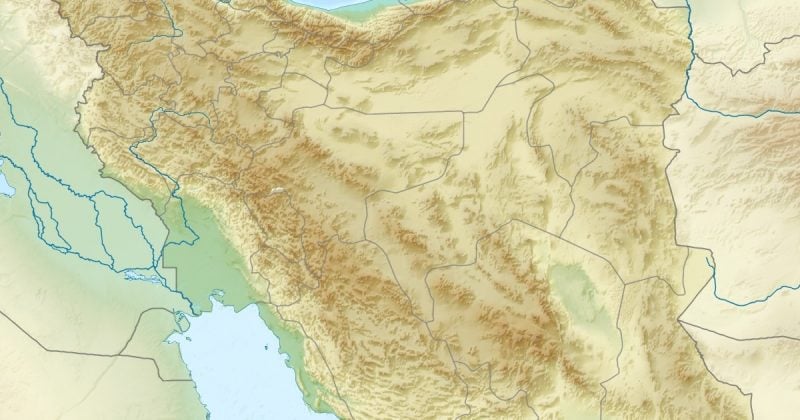
Ali Khalilabadi, the deputy governor of Sistan and Baluchestan for security and police affairs, has confirmed that Wednesday morning’s strikes occurred within the Chabahar and Konarak districts. Authorities have reportedly regained full control of the situation. This development comes amidst ongoing U.S.-Iran military tensions, particularly affecting Iran’s southern coastal regions. The strikes are part of a broader military engagement involving the United States and Iran, with recent attacks and counterattacks linked to the strategic Strait of Hormuz. Observers note the significance of these strikes reaching districts tied to important ports and naval facilities, indicating a potential escalation in the conflict.
Key Takeaways
- The confirmation by Khalilabadi suggests stability has returned to Chabahar and Konarak, potentially affecting market views on Iranian regime stability.
- Markets appear to interpret the regaining of control as decreasing the likelihood of an imminent fall of the Iranian regime.
- The recent strikes’ impact on strategic coastal infrastructure may indicate broader military engagement, but local control restoration suggests a temporary stabilization.
What to Watch
Watch for any further military developments or political responses that could impact the stability of the Iranian regime. Key indicators include potential shifts in U.S. military strategy, further strikes, or significant domestic unrest within Iran. Continued control by Iranian authorities in affected regions could be consistent with scenarios where regime stability persists. Conversely, large-scale unrest or defections within the IRGC could suggest increased regime vulnerability.
Get live prediction-market analysis, powered by Vera. Sign up for Vera.
Disclosure: This article was edited by Estefano Gomez. For more information on how we create and review content, see our Editorial Policy.






 English (US) ·