
 1 hour ago
16
1 hour ago
16
Iran just told Oman, in diplomatic terms, that a fair split isn’t going to work. On July 11, the Islamic Republic rejected a proposed dual-corridor shipping arrangement through the Strait of Hormuz, the narrow waterway responsible for roughly 20% of the world’s oil supply. Instead, Iran countered with its own vision: a single jointly managed corridor where Iran controls all inbound traffic and Oman handles outbound lanes.
What happened at the negotiating table
Oman had put forward what seemed like a reasonable framework. Two separate corridors, one managed by each country, splitting oversight of the 21-to-22-mile-wide strait. Iran’s Foreign Minister Abbas Araghchi led the charge against the proposal, arguing instead for a unified framework under joint management, but with Tehran holding the keys to the front door.
The rejection didn’t happen in a vacuum. A US-Iran memorandum of understanding signed on June 17 established a 60-day toll-free navigation window through the strait, designed to cool tensions temporarily. That window is now approaching its expiration date, and the diplomatic temperature is rising rather than falling.
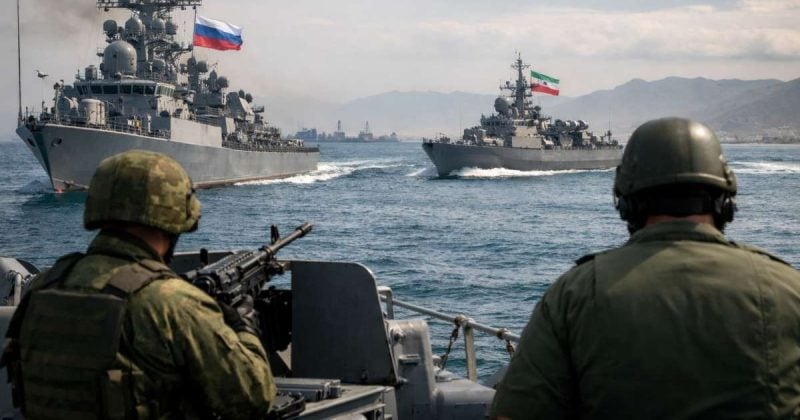
Since that MOU was signed, at least five commercial vessels have been attacked in or near the Strait of Hormuz. The attacks have been tied to Iran’s Revolutionary Guard Corps. The US and UK are reportedly scrambling to organize a high-level maritime security conference before the MOU expires.
Why a 22-mile waterway matters to your portfolio
The Strait of Hormuz is not some obscure maritime footnote. It is the single most important chokepoint in global energy logistics. Approximately one-fifth of the planet’s oil supply passes through this narrow channel every day. When shipping through the strait gets more dangerous or more contested, freight costs go up, insurance premiums for tankers spike, and some traders pull back from the region entirely, reducing the flow of crude and refined products.
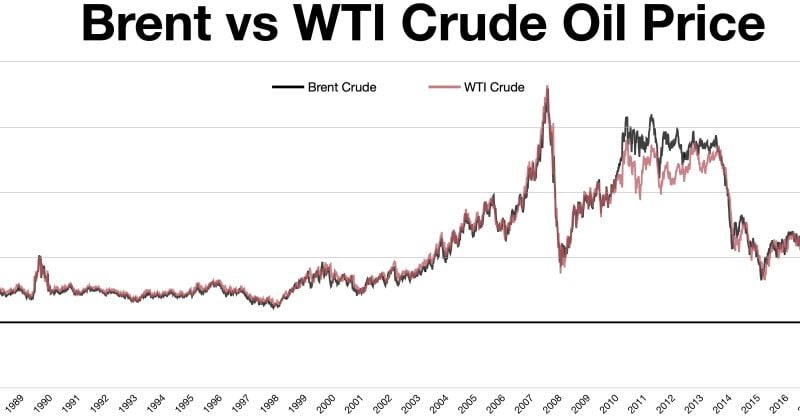
A sustained disruption at Hormuz, or even the credible threat of one, would likely push crude prices higher. Inflationary pressures tend to make central banks less inclined to cut rates, which historically hasn’t been great for speculative assets including crypto.
The crypto angle hiding in plain sight
Iran has shown increasing interest in Bitcoin-based payment mechanisms for international trade, particularly as traditional banking channels remain constrained by sanctions. The combination of sanctions pressure, shipping disputes, and Iran’s existing Bitcoin mining operations creates a scenario where digital assets could become operationally relevant to strait-related commerce.
The 60-day MOU window is running out. Five vessels have already been attacked since it was signed. Iran has rejected a balanced sharing arrangement in favor of one that gives it dominant control over inbound traffic. And the US and UK are trying to convene emergency talks before the situation escalates further.
Disclosure: This article was edited by Editorial Team. For more information on how we create and review content, see our Editorial Policy.







 English (US) ·