
 1 hour ago
14
1 hour ago
14
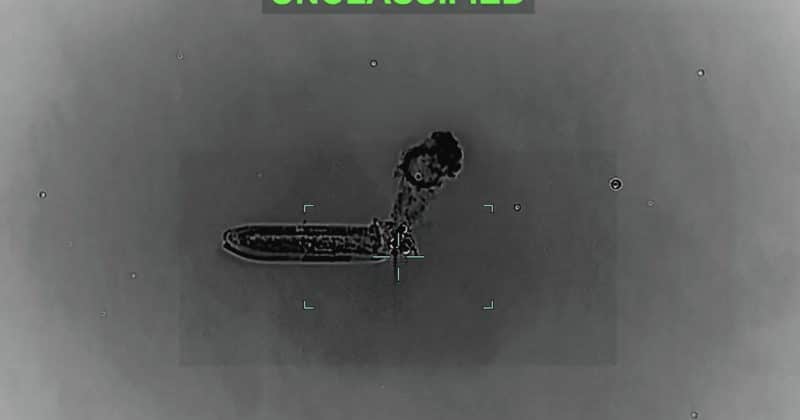
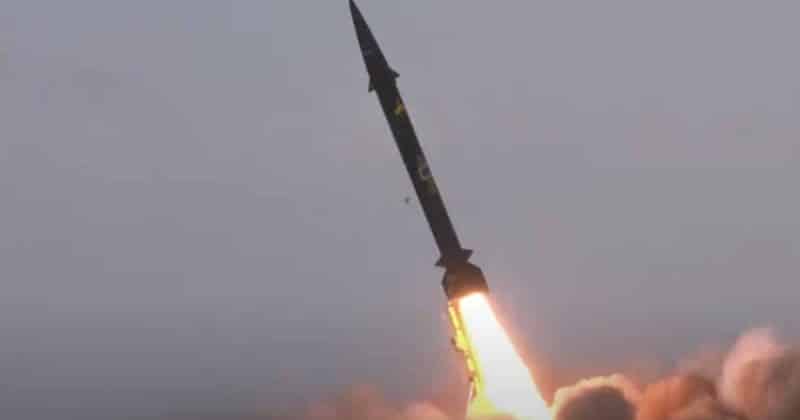
US military forces struck Iranian military targets in and around Karaj on June 11, hitting surveillance systems and air defense installations just west of Tehran. Iranian state media confirmed large explosions in the area, and US Central Command described the operations as precision attacks on military infrastructure.
This marks the second consecutive day of US air operations against Iranian assets, part of a conflict that has been escalating in waves since earlier this year.
What happened in Karaj
Karaj sits roughly 20 miles west of Tehran, making strikes there particularly significant.
CENTCOM framed the attacks as responses to “ongoing Iranian aggression” threatening American personnel and shipping in the region. The strikes targeted military surveillance equipment and air defense systems, suggesting a deliberate effort to degrade Iran’s ability to monitor and respond to future operations.
Iranian media reported substantial explosions not just in Karaj but also in Tehran itself.
Karaj has been hit before. On April 2, US forces bombed the B1 Bridge in the city, an attack that resulted in civilian casualties and significant infrastructure damage. The bridge partially collapsed, turning what the Pentagon characterized as a military operation into a humanitarian flashpoint.
Crypto markets feel the shockwaves
Back in late February, when tensions between the US and Iran first spiked dramatically, Bitcoin dropped approximately 6-7%.
The pattern has persisted. Risk-off sentiment triggered by military escalations has repeatedly pushed crypto prices lower alongside equities. Oil price swings, which directly affect inflation expectations and central bank policy calculations, have added another layer of pressure on digital assets.
What this means for crypto investors
Oil prices remain the transmission mechanism to watch. When strikes hit Iranian military infrastructure, oil markets react on supply disruption fears. Higher oil feeds into inflation expectations, which influences central bank rate decisions, which directly impacts liquidity conditions for risk assets including crypto.
Bitcoin’s 6-7% drop during the February escalation provides a useful benchmark for what future flare-ups might look like.
Traders should also watch trading volumes alongside prices. Spikes in volume during geopolitical sell-offs can indicate whether moves are driven by leveraged liquidations or genuine spot selling. The former tends to create sharp but short-lived drops. The latter suggests a more fundamental reassessment of risk appetite that can take longer to reverse.
Disclosure: This article was edited by Editorial Team. For more information on how we create and review content, see our Editorial Policy.





 English (US) ·