
 2 hours ago
22
2 hours ago
22
Iran’s most important oil terminal is back in business. Crude loadings resumed at Kharg Island on June 20 after a six-week US Navy blockade choked off the vast majority of the country’s petroleum exports.
The numbers tell a brutal story about what the blockade actually did. Iran’s oil loadings collapsed from an average of 2.1 million barrels per day to just 567 thousand barrels per day. That’s a roughly 73% drop, and it happened because Kharg Island handles approximately 90% of the country’s crude exports.
What happened and why it matters now
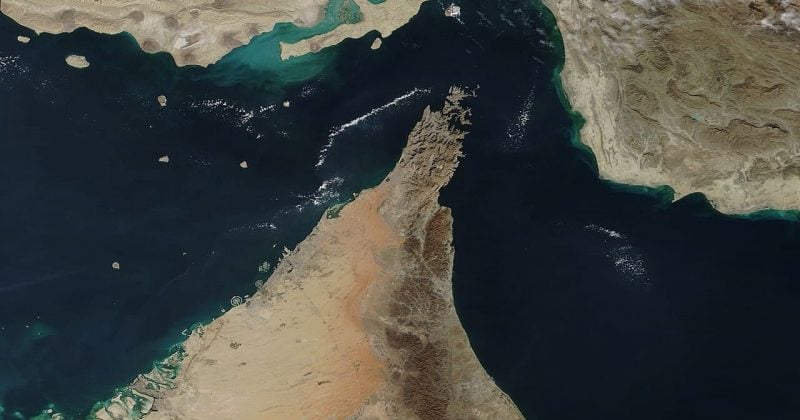
The blockade lifted following an interim peace agreement that restored commercial shipping access through the Strait of Hormuz. At least three Very Large Crude Carriers were confirmed loading at Kharg Island on the day operations resumed.
Shipping monitors confirmed initial tanker departures carrying millions of barrels shortly after the blockade was lifted. The crude is primarily destined for Chinese markets, which have historically been the largest buyer of Iranian oil even during periods of heavy Western sanctions.
The crypto angle: Hormuz tolls and digital payments
Back in April 2026, during the height of tensions, Iran was reportedly exploring the use of cryptocurrency for tolls and fees associated with maritime navigation through the Strait of Hormuz.
Iran has been cut off from SWIFT, the global messaging system that banks use to move money across borders, for years. Traditional payment rails don’t work when the US Treasury says they don’t. Cryptocurrency, by design, doesn’t care about Treasury Department opinions.
The concept is straightforward: ships passing through the Strait pay a fee, and that fee gets settled in digital currency rather than dollars or euros that might get frozen by sanctions.
What this means for investors
The resumption of Iranian crude exports creates pressure on multiple fronts. Taking 1.5 million barrels per day off the market (the difference between pre-blockade averages and blockade lows) creates a supply squeeze. Putting them back creates the opposite.
If Iran follows through on using digital assets for Hormuz transit fees, it would represent one of the most consequential real-world use cases for cryptocurrency to date. Russia, Venezuela, North Korea, and Iran have all explored digital assets as a way to circumvent financial restrictions.
The risk for crypto markets is regulatory blowback. If digital assets become visibly associated with sanctions evasion at the sovereign level, expect US and European regulators to respond with heavier compliance requirements for exchanges, stablecoin issuers, and payment processors.
Disclosure: This article was edited by Editorial Team. For more information on how we create and review content, see our Editorial Policy.








 English (US) ·