
 1 hour ago
23
1 hour ago
23
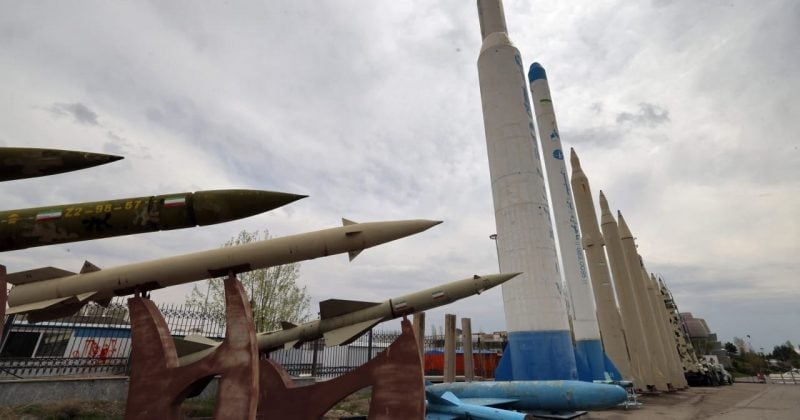
The Middle East’s latest flashpoint arrived on July 9, 2026, when Iran’s Islamic Revolutionary Guard Corps fired between 10 and 12 ballistic missiles at Al-Azraq Air Base in Jordan. The base, also known as Prince Hassan Air Base, hosts F-35 fighter aircraft and serves as a hub for joint US-Jordanian military operations. Iran framed the strike as direct retaliation for US military operations against Iranian sites the previous two days.
Jordan’s air defenses intercepted eight of the incoming missiles. Jordanian authorities reported no confirmed casualties and no significant damage at the base, though the targeting of F-35 shelters and command-and-control centers signals that Iran’s military planners knew exactly what they were aiming at.
How we got here
The immediate trigger was a series of US Central Command strikes on July 7 and 8 against Iranian military positions. Those strikes themselves followed months of escalating friction that had, briefly, looked like it might cool off.
A ceasefire between the two sides ended on July 8, and within hours the IRGC was loading missiles.
Al-Azraq sits in eastern Jordan, roughly 100 kilometers from the Iraqi border. Its strategic value is not subtle. The base gives the US and its partners a forward operating position with reach across Iraq, Syria, and the broader Levant.
Iran also claimed military action in the Strait of Hormuz around the same period, asserting engagement against shipping activities in one of the world’s most critical oil transit corridors.
Market implications and what investors should watch
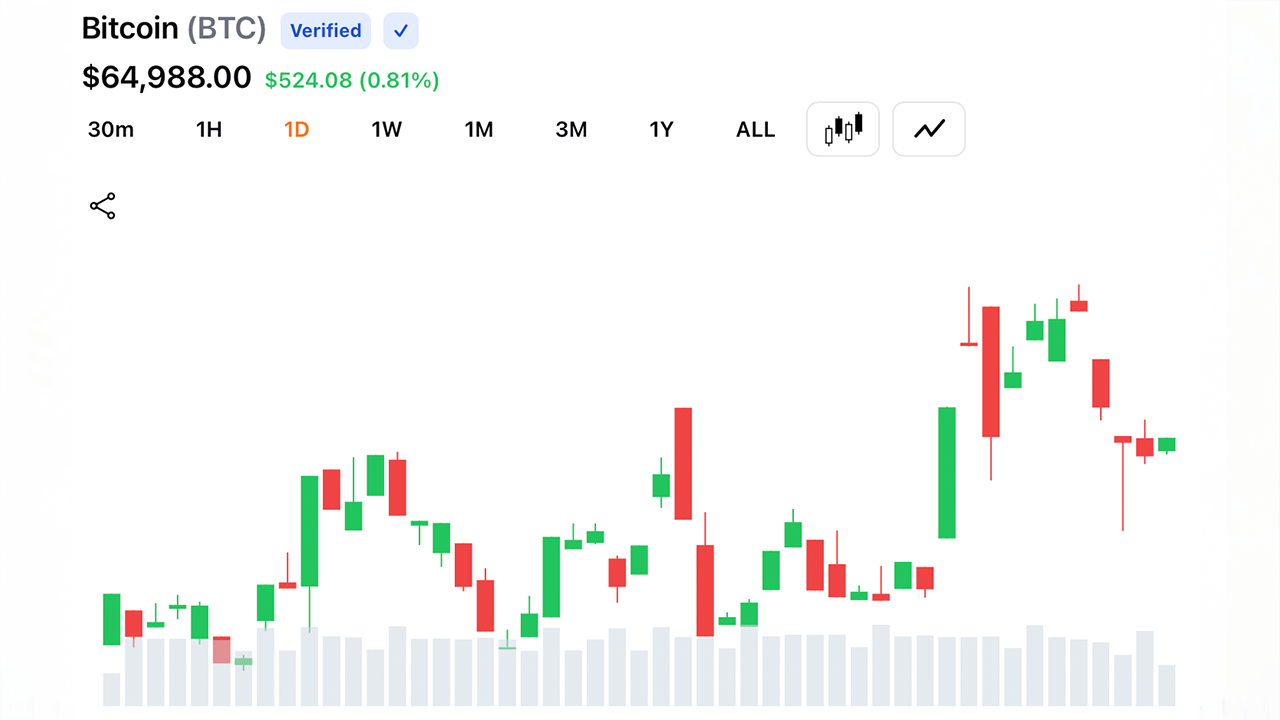
Crypto markets showed no measurable reaction to the Al-Azraq strikes. That is consistent with the broader pattern in this conflict cycle, where even significant military escalations have not produced the capital flight into digital assets that some investors anticipated when the 2026 Iran-US hostilities began.
The Strait of Hormuz dimension is the variable most worth monitoring for market participants. Roughly 20 percent of global oil flows through that corridor. Any sustained Iranian military campaign against shipping there would hit energy prices hard, which would feed into inflation expectations, which would complicate central bank policy, which would then pressure risk assets across the board including crypto.
Disclosure: This article was edited by Editorial Team. For more information on how we create and review content, see our Editorial Policy.







 English (US) ·