
 1 hour ago
13
1 hour ago
13
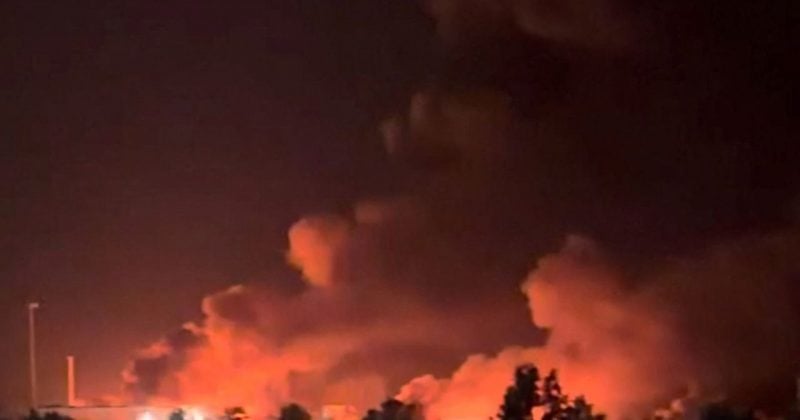
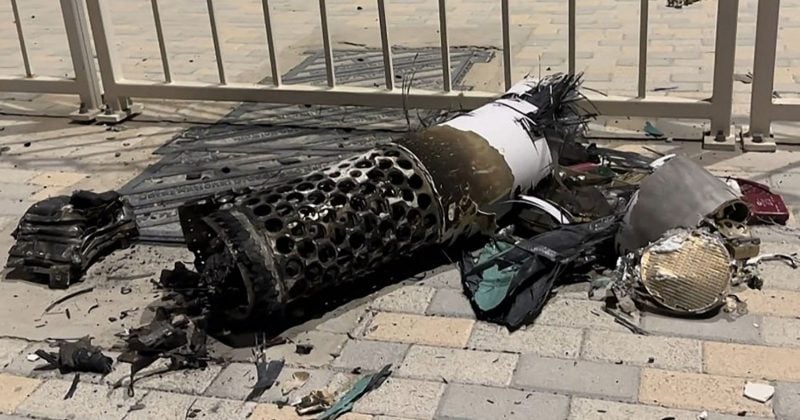
The Iranian Energy Ministry has a message for its citizens: turn off the air conditioning. US strikes on electricity infrastructure in southern Iran have knocked out power across parts of Tehran and Alborz province, and the grid is struggling to keep up with demand.
What happened
US strikes targeting Iranian electricity infrastructure, occurring around late March 2026, caused significant outages across multiple regions, including Qeshm island and parts of the capital. The Iranian Energy Ministry confirmed the damage and issued public appeals for electricity conservation as military tensions continued to escalate.
The grid was already fragile before any bombs fell. Iran has a long history of fuel shortages and seasonal demand spikes that routinely push its power infrastructure to the edge.
Iran’s crypto economy has a power problem
Iran has built a crypto ecosystem valued at approximately $7.8 billion as of 2025, with Bitcoin mining sitting at the center of it.
Iran has previously leaned on crypto mining as a tool for generating revenue and navigating around international sanctions. Addresses linked to the Iranian Revolutionary Guard Corps accounted for roughly $3 billion in receipts within the crypto market.
Following the strikes, Iranian exchanges saw approximately $10 million in crypto outflows in the period spanning late February and early March 2026.
Iran has a documented history of banning or restricting crypto mining during peak summer demand periods or acute energy shortages, precisely because mining competes directly with residential and industrial power consumption.
What this means for markets
If Iranian miners are forced offline, either by physical power loss or by government mandate, it reduces the total hash rate contributing to Bitcoin’s global network.
The $10 million leaving Iranian platforms post-strikes arrived quickly and in direct response to military action. Platforms operating in or adjacent to Iranian markets would feel that pressure first.
The on-chain flows currently show short-term movement without systemic disruption, but the underlying infrastructure that makes those flows possible is now a declared military target.
Disclosure: This article was edited by Editorial Team. For more information on how we create and review content, see our Editorial Policy.



 English (US) ·