
 1 hour ago
23
1 hour ago
23
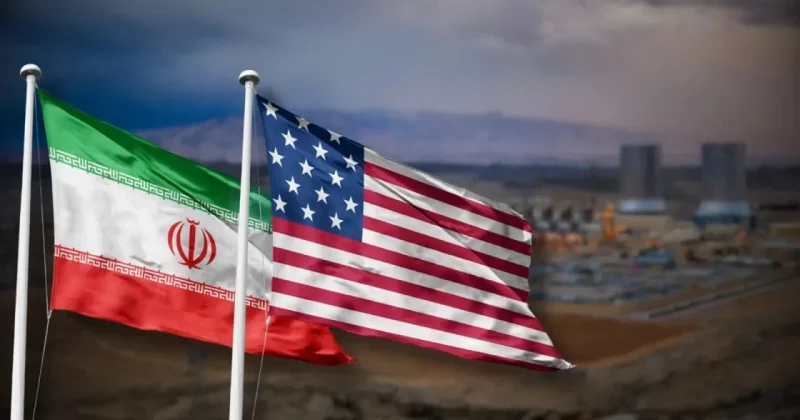
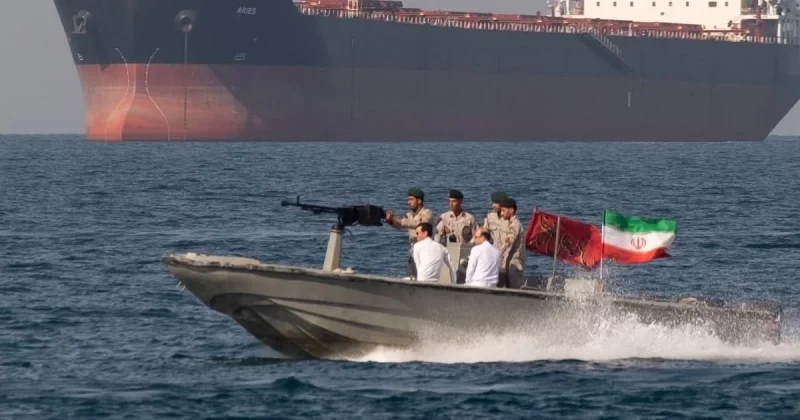
The Islamic Revolutionary Guard Corps fired on a US airbase in the early hours of May 28, retaliating for American military operations targeting Iranian assets near the port city of Bandar Abbas. The strike, launched at roughly 4:50 a.m. local time, marks the most significant escalation between Washington and Tehran since a fragile ceasefire took effect in early April.
What happened and how we got here
The sequence of events, as pieced together from US officials and Iranian state media, paints a picture of rapid tit-for-tat escalation. The US military said it shot down four Iranian drones and struck a ground control station near Bandar Abbas to prevent a fifth drone from launching. American officials characterized these actions as strictly defensive.
Iran saw it differently. The IRGC framed its airbase strike as a direct response to what it called American aggression against Iranian assets. This was the second US attack on Iranian targets in just three days.
Iranian state media did not disclose which US airbase was targeted. Speculation has centered on installations in Kuwait or Qatar, both of which host significant American military footprints in the Persian Gulf region. The IRGC issued a warning alongside its announcement: further aggressive actions would be met with a stronger response.
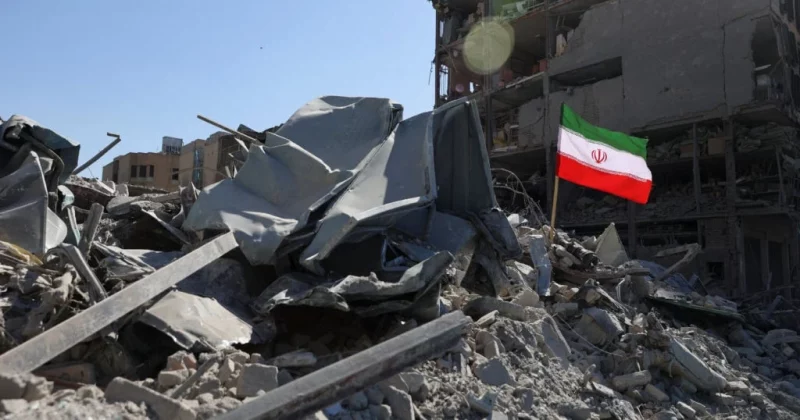
Explosions were reported east of Bandar Abbas following the initial US operation. The US military reported no casualties or major damage from its own defensive engagements, though the full picture of damage from the IRGC’s retaliatory strike remains unclear.
Why the Strait of Hormuz makes this a global crisis
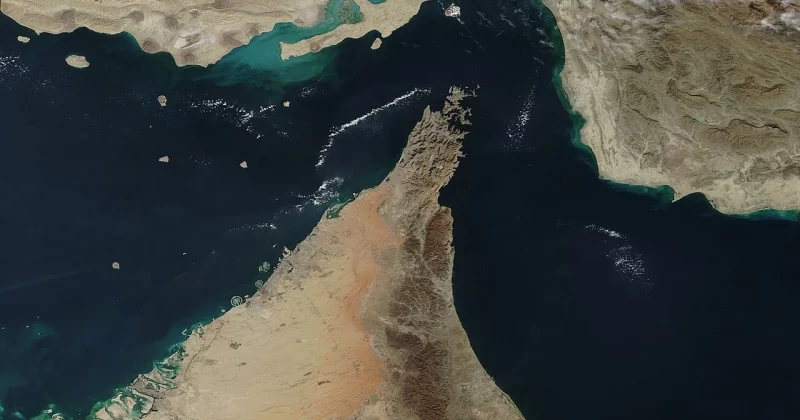
Bandar Abbas is Iran’s largest port on the Strait of Hormuz, the narrow passage between Iran and Oman through which tankers carry oil from the Persian Gulf to the rest of the planet. It serves as both a commercial hub and a military staging ground. Military operations in its vicinity are happening at one of the most strategically sensitive locations on Earth.
What this means for crypto investors
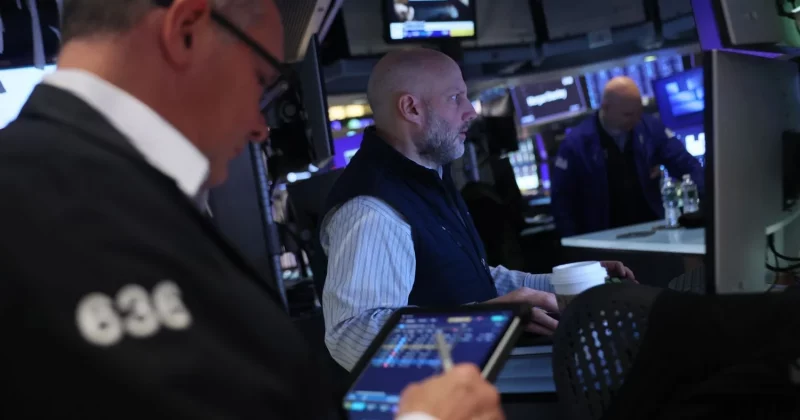
Geopolitical shocks like this tend to produce a predictable sequence in financial markets. First comes the flight to safety: gold, US treasuries, and increasingly, Bitcoin. Then comes the broader risk-off wave, where speculative assets, including most altcoins, take a hit as investors reduce exposure across the board.
Oil prices are the variable to watch most closely. Any significant spike in crude, particularly one sustained over weeks rather than days, would likely accelerate inflation concerns globally. The assets that perform best in that environment tend to be the ones with the strongest store-of-value narratives, which keeps the spotlight on Bitcoin specifically rather than the broader crypto market.
The IRGC’s explicit warning of stronger retaliation if provocations continue introduces a tail risk that markets have not fully priced in. For now, the smart move is watching crude oil futures, monitoring any statements from CENTCOM or the IRGC about further operations, and sizing positions accordingly.
Disclosure: This article was edited by Editorial Team. For more information on how we create and review content, see our Editorial Policy.


 English (US) ·