
 3 hours ago
20
3 hours ago
20
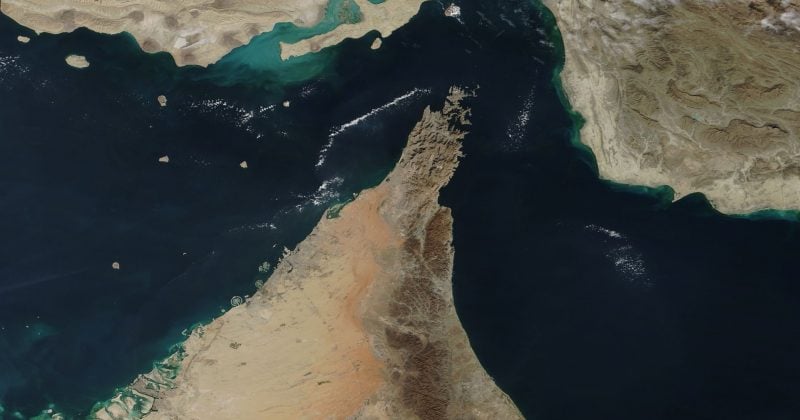
The Strait of Hormuz, that narrow chokepoint where roughly 20% of the world’s oil and LNG shipments squeeze through, has a new gatekeeper. And it accepts stablecoins.
Iran has imposed transit tolls on vessels passing through the waterway and is demanding payment in digital currencies, effectively turning one of the planet’s most strategic shipping lanes into a proving ground for crypto-powered international commerce.
The toll booth at the edge of the world
Iran’s Oil, Gas and Petrochemical Products Exporters’ Union announced in April 2026 that tolls for strait passage must be paid in “digital currencies.” The rate sits at around $1 per barrel, with fees payable in yuan or stablecoins.
The first documented crypto payment for navigation through the Strait of Hormuz occurred that same month. Estimates suggest daily inflows from these toll transactions could reach as much as $20 million. Annualized, you’re looking at potentially $7.3 billion flowing through crypto rails to fund transit through a single maritime corridor.
Why stablecoins, not Bitcoin
On-chain analysis indicates minimal Bitcoin movement that matches the profile of toll payments. Chainalysis and other blockchain analytics firms have found that stablecoins are doing the heavy lifting.
For Iran, the logic is straightforward. The country has spent years being squeezed out of the traditional financial system through sanctions. SWIFT access is restricted. Dollar-denominated transactions through correspondent banks are essentially impossible. Stablecoins offer a workaround that’s fast, pseudonymous, and difficult for Western regulators to intercept in real time.
The diplomatic backdrop
As of mid-2026, no public reports have confirmed active three-way negotiations between the US, Iran, and Oman specifically aimed at boosting ship traffic through the corridor. What’s clear is that the toll regime has created a new pressure point. Shipping companies face a choice: pay Iran’s crypto tolls and risk sanctions violations, reroute (which is geographically impossible for Gulf oil exports), or wait for diplomats to sort it out.
The strait is only 21 miles wide at its narrowest point. There is no Plan B route for oil leaving the Persian Gulf.
What this means for crypto investors
USDT and USDC are being used, at scale, to facilitate transactions that major Western governments would almost certainly classify as sanctions-busting. Tether has historically been more permissive about where its tokens end up. Circle, the issuer of USDC, has positioned itself as the compliance-friendly alternative. If on-chain forensics can trace toll payments to specific stablecoin addresses, pressure will mount on issuers to freeze those wallets.
If the toll regime sticks, shipping costs for Gulf oil will rise, and that cost gets passed through to refiners and eventually consumers. The crypto payment layer adds friction and compliance risk that didn’t exist when the strait was simply an international waterway.
Disclosure: This article was edited by Editorial Team. For more information on how we create and review content, see our Editorial Policy.






 English (US) ·