
 5 hours ago
21
5 hours ago
21
Iran’s Foreign Ministry spokesman said the presidents of both Iran and the United States may sign the memorandum of understanding themselves. That’s a notable escalation in diplomatic symbolism for a deal that, just weeks ago, seemed far from certain.
The statement from spokesperson Esmaeil Baqaei signals that Tehran views the MOU as significant enough to warrant head-of-state involvement rather than delegating it to lower-ranking officials.
What’s actually in the deal
The memorandum of understanding is structured as a 60-day tactical arrangement designed to create breathing room for longer-term negotiations.
Three core elements anchor the framework. First, a ceasefire extension. Second, conditions for reopening the Strait of Hormuz to commercial maritime traffic. Third, a structured pathway for discussions on Iran’s nuclear program and potential sanctions relief.
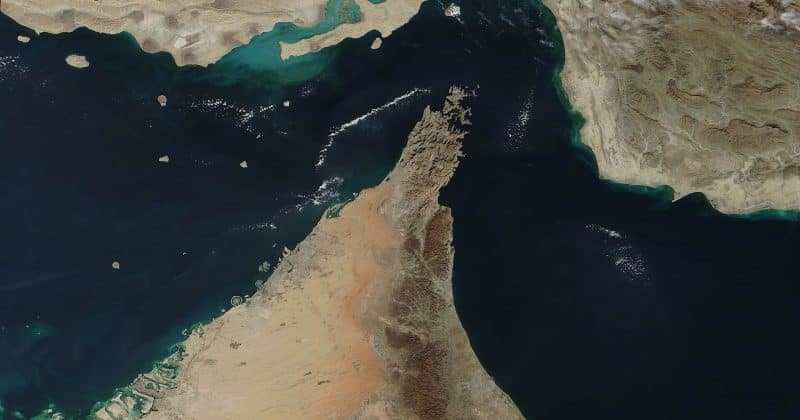
Roughly one-fifth of global oil supply passes through the Strait of Hormuz, the narrow waterway between Iran and Oman. Any disruption there sends shockwaves through energy markets, shipping insurance rates, and ultimately the price consumers pay at the pump.
The road to a potential signing ceremony
US officials, including President Trump and Vice President JD Vance, have indicated that primary elements of the MOU have either been finalized or are close to completion. A formal signing ceremony has been tentatively scheduled for around June 19, with Geneva or another Swiss location as the likely venue.
Iranian officials have been more measured in their public commentary. Baqaei noted that the MOU is still under final internal review, a signal that Tehran is keeping its options open even as momentum builds toward a signing.
The negotiations have also involved mediators from Qatar and Pakistan, underscoring how many regional interests are wrapped up in any US-Iran agreement.
Why presidential signatures change the calculus
The possibility of both presidents personally signing the memorandum is more than ceremonial. When heads of state attach their names to an agreement, the political cost of walking it back increases dramatically.
For Iran, a presidential signature would represent a public commitment that makes it harder for hardline factions within the government to torpedo the framework during the 60-day negotiation window. For the US, a Trump signature would tie the administration’s credibility to the framework’s success.
MOUs are not treaties. They’re generally non-binding frameworks that express intent rather than create legal obligations. But in the context of US-Iran relations, where even basic communication has been fraught for decades, the symbolic weight of a mutually signed MOU is substantial.
Disclosure: This article was edited by Editorial Team. For more information on how we create and review content, see our Editorial Policy.





 English (US) ·