
 1 hour ago
16
1 hour ago
16
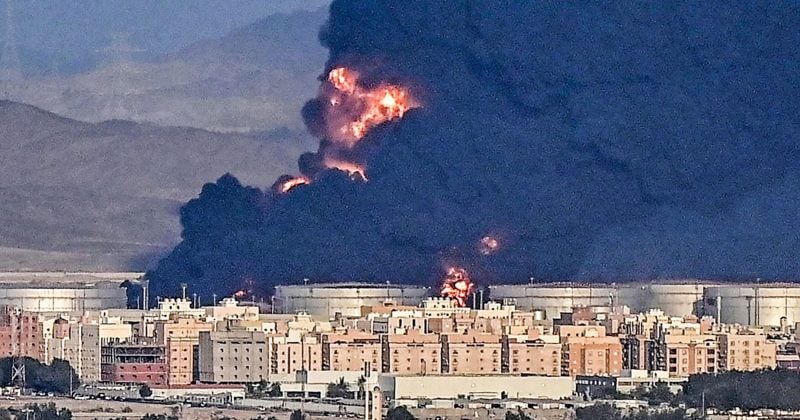
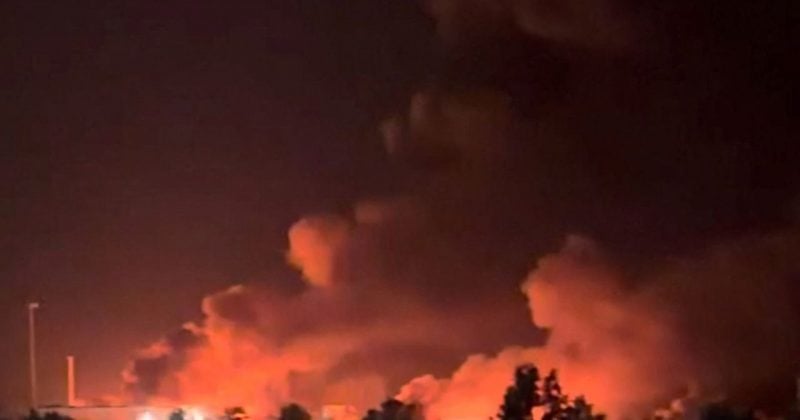
Two oil tankers have exploded in the Strait of Hormuz, reportedly due to being misled by U.S. intelligence into navigating a mined corridor. The incident has led to flames engulfing the vessels and prompted Iran’s IRGC Navy to declare the strategic waterway fully sealed off. The closure is said to be a direct response to U.S. actions in the region. The Strait of Hormuz is a critical chokepoint for global oil supply, carrying approximately 20% of the world’s oil. The closure could have significant implications for oil markets, as evidenced by the recent increase in Brent crude oil prices to $87.59 per barrel, reflecting immediate concerns over supply disruptions.
The oil market’s reaction to this incident is notable, with markets appearing to anticipate further price increases. In recent months, the Strait of Hormuz has witnessed several closures attributed to geopolitical tensions between Iran and the U.S., each affecting global oil dynamics. The current situation marks a shift from temporary closures to a more extended shutdown, raising the stakes for energy markets worldwide.
Market data indicates heightened activity around WTI crude oil contracts, with some scenarios suggesting significant price increases. The possibility of WTI crude oil hitting higher price targets in July 2026 appears to be gaining traction, as markets weigh the potential for prolonged disruptions in the strait.
Key Takeaways
- Market behavior suggests a significant increase in WTI crude oil price expectations for July 2026.
- The recent tanker explosions in the Strait of Hormuz appear to have heightened concerns over global oil supply disruptions.
- The oil market is responding to geopolitical tensions, with increased activity in futures markets indicating expectations of price volatility.
What to Watch
Observers should monitor developments in the Strait of Hormuz for any changes to its closure status. The response from key geopolitical actors, including the U.S. and Iran, will be critical in shaping market expectations. Additionally, statements from OPEC+ and reports on global oil inventories could further influence pricing scenarios. Markets will likely remain focused on any diplomatic or military developments that could impact the stability of oil supply routes.
Get live prediction-market analysis, powered by Vera. Sign up for Vera.
Disclosure: This article was edited by Estefano Gomez. For more information on how we create and review content, see our Editorial Policy.






 English (US) ·