
 1 hour ago
20
1 hour ago
20
Iran has issued a blunt warning to Gulf Cooperation Council states: if the US launches further military strikes, the countries hosting American bases will pay the price. The threat, directed at nations like Kuwait, Bahrain, and Qatar, transforms what was already a tense bilateral conflict into something with much broader regional consequences.
What Iran is actually threatening
Iran’s leadership has made clear that any further US aggression won’t just be met with retaliation against American forces. GCC states that provide basing, logistics, or overflight rights for US military operations are now explicitly in the target set.
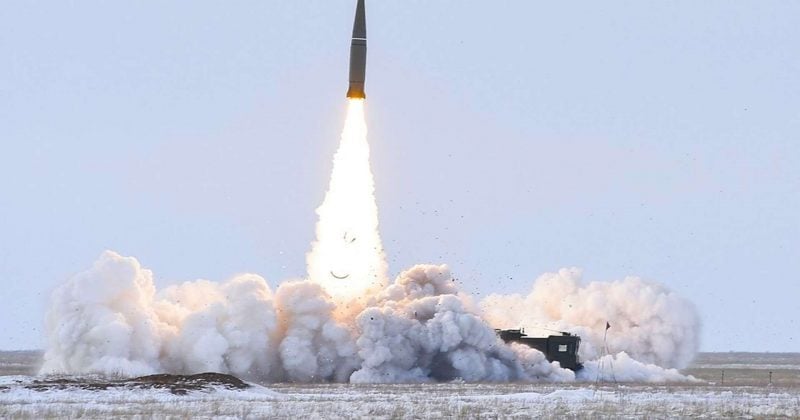
Since earlier this year, Iran has already launched ballistic missiles against US air bases in Kuwait and struck naval facilities in Bahrain. Energy targets in Qatar have also been hit.
The UAE, despite not permitting US strikes from its territory, faces hundreds to thousands of Iranian missile threats. Even non-participation isn’t a guaranteed shield.
The energy chokepoint everyone should be watching
In 2019, Iranian-linked attacks struck Saudi oil facilities at Abqaiq and Khurais. Those strikes temporarily knocked out a significant portion of Saudi Arabia’s oil production and sent crude prices spiking overnight. The attack demonstrated just how vulnerable the region’s energy infrastructure really is, even with billions of dollars in air defense systems.
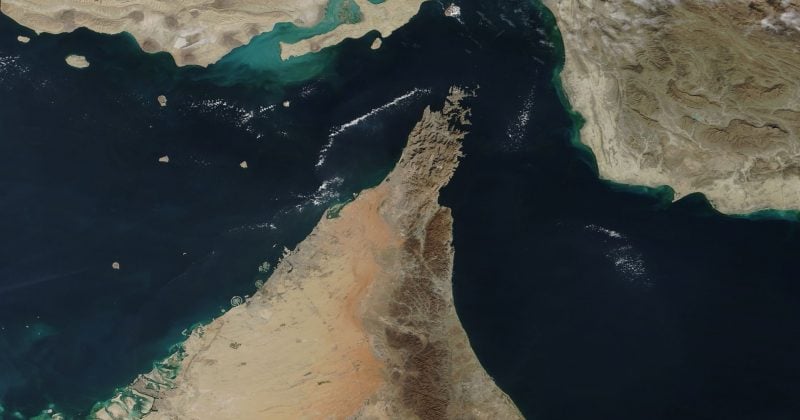
The current situation is meaningfully worse than 2019. Back then, Iran maintained plausible deniability and the strikes were a one-off escalation. Now, Iran has openly launched multiple rounds of ballistic missiles and drone strikes against multiple GCC states. Regional fears about the safety of energy exports and the stability of shipping routes through the Strait of Hormuz are already elevated. GCC states have collectively urged de-escalation.
Why crypto investors should care about missiles in the Gulf
Gulf states are increasingly significant players in the digital asset space, with sovereign wealth funds and state-backed entities in the UAE, Saudi Arabia, and Qatar all building positions in crypto infrastructure and tokens. Bahrain hosts significant crypto-friendly regulatory frameworks. The UAE is home to major exchanges and institutional custody operations. Physical conflict near these jurisdictions could create operational risks that the market hasn’t priced in.
Disclosure: This article was edited by Editorial Team. For more information on how we create and review content, see our Editorial Policy.







 English (US) ·