
 1 hour ago
20
1 hour ago
20
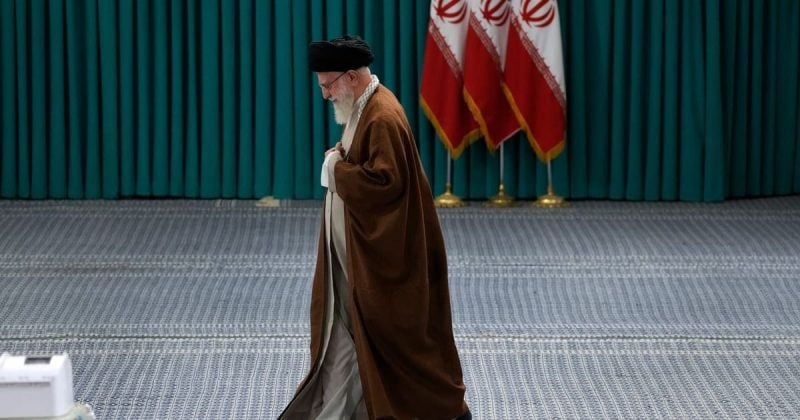
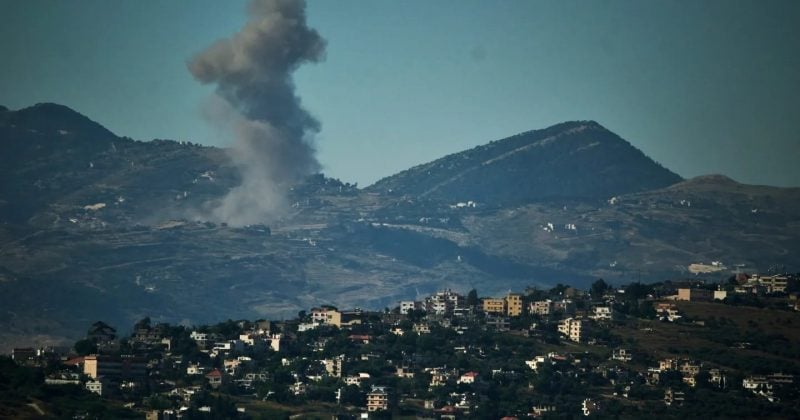
Iran’s Khatam al-Anbiya Central Headquarters declared it would close the Strait of Hormuz to vessel traffic, attributing the decision to the United States’ failure to implement a crucial part of a ceasefire agreement. The announcement marks a significant escalation in the ongoing conflict between Iran, the U.S., and Israel, known as Operation Epic Fury. This development comes amidst a fragile ceasefire extension mediated by Pakistan, which Iran claims is contingent upon halting Israeli strikes in Lebanon, a condition Israel has not met. The strategic strait is a vital corridor for global oil shipments, and Iran’s ability to block it could have severe implications for international energy markets and potentially provoke direct military responses.
Key Takeaways
- The announcement by Iran’s Khatam al-Anbiya to close the Strait of Hormuz appears to significantly impact the likelihood of traffic normalization by the end of June.
- Market pricing suggests that participants view traffic normalization through the Strait of Hormuz before June 30 as increasingly unlikely, with odds at 10.5% YES.
- The threat to close the strait may indicate a heightened risk of further escalation in the conflict, affecting global energy supply routes.
What to Watch
Observers will be closely watching for any official U.S. or Iranian military responses following this announcement, which could further influence market perceptions. Developments related to Israeli military actions in Lebanon or any new ceasefire agreements could alter the probability of the strait reopening. Additionally, updates from the IMF PortWatch team regarding vessel traffic in the Strait of Hormuz will be crucial for assessing the situation’s impact on global shipping and energy markets.
Get prediction market intelligence as a structured API feed. Early access waitlist.
Disclosure: This article was edited by Estefano Gomez. For more information on how we create and review content, see our Editorial Policy.







 English (US) ·