
 1 hour ago
9
1 hour ago
9
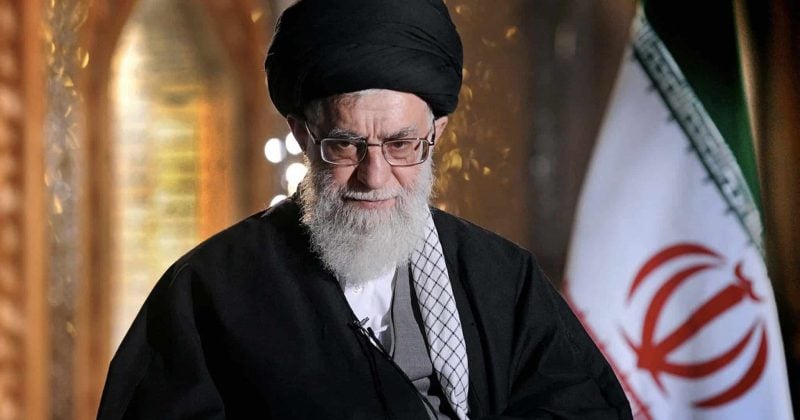
Iran has revealed the casket of its late Supreme Leader Ayatollah Ali Khamenei to a large gathering of mourners in Tehran, marking the start of a dayslong funeral procession. The ceremony comes after a fragile ceasefire was established in the ongoing conflict with the US and Israel, allowing for public commemoration. Khamenei, who led Iran for 37 years, was assassinated during an airstrike in February 2026. The procession is expected to continue through several key cities, including Qom, Najaf, and Karbala, before concluding in Mashhad. The event is projected to draw millions of attendees, underscoring both the regime’s continuity efforts and the heightened risk of regional instability.
Key Takeaways
- The unveiling of Ayatollah Khamenei’s casket appears to suggest a significant leadership transition in Iran, with potential implications for the country’s political landscape.
- Market pricing indicates a slight increase in the perceived likelihood of a leadership change in Iran by December 31, as reflected in adjusted odds for the relevant prediction market.
- Observers suggest the large turnout of mourners could indicate both public support and the potential for unrest, which may influence future market movements regarding Iran’s leadership.
What to Watch
Markets will be closely monitoring the funeral procession and related developments for any indications of political shifts or instability. Key indicators include public statements from Iranian officials and potential disruptions during the event. The actions of the Assembly of Experts and any emergence of a new leadership figure will likely impact market expectations. Continued observation of the geopolitical environment, particularly any reactions from the US or Israel, could provide further insight into the potential for a leadership change in Iran.
Get prediction market intelligence as a structured API feed. Early access waitlist.
Disclosure: This article was edited by Estefano Gomez. For more information on how we create and review content, see our Editorial Policy.
 English (US) ·