
 1 hour ago
16
1 hour ago
16
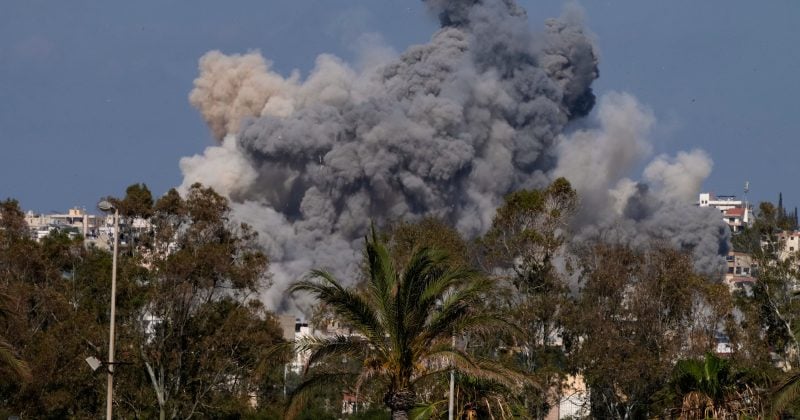
An Iranian parliamentary official just told Gulf states to either shut down their oil wells or watch them burn. That’s the kind of sentence that moves markets, and it did.
Ebrahim Rezaei, spokesperson for Iran’s national security and foreign policy commission, issued the warning on July 8 via X, directed squarely at Gulf countries allied with the United States. His message was blunt: Iran has no “red lines” when it comes to defending itself, and neighboring nations’ energy infrastructure is fair game.
What’s actually happening in the Gulf
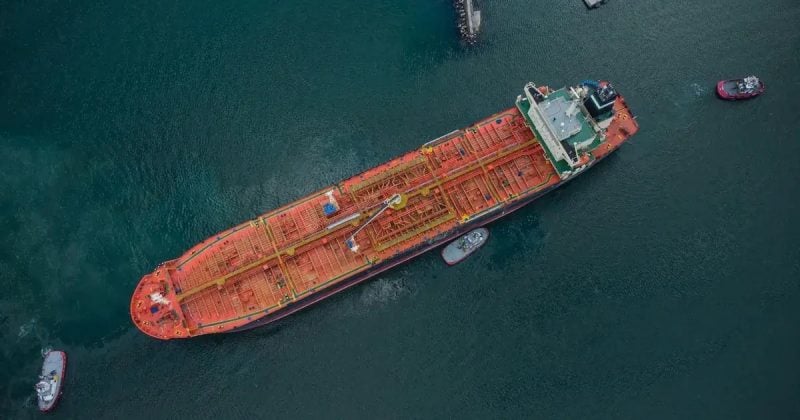
The threat didn’t materialize in a vacuum. The US-Iran conflict has been escalating since March 2026, with repeated American threats and actions targeting Iran’s commercial shipping interests in the region. At the center of it all sits Kharg Island, the chokepoint responsible for roughly 90% of Iran’s crude exports.
President Trump has openly discussed potential military action against Iran, and the rhetoric from Tehran has matched it escalation for escalation. Rezaei’s statement fits a well-established Iranian playbook: when cornered, threaten the oil infrastructure of US-allied Gulf states to make the economic cost of conflict unbearable for everyone.
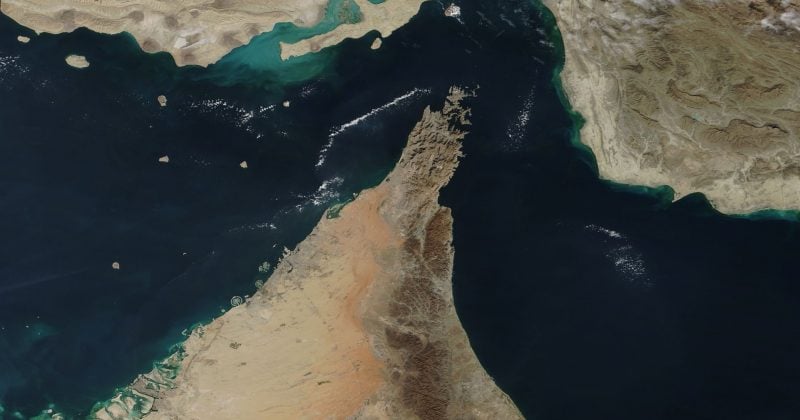
The strategic geography matters here. The Strait of Hormuz, that narrow waterway connecting the Persian Gulf to the open ocean, handles a massive share of global oil and LNG shipments.
Oil surges, crypto stumbles
Markets responded exactly the way you’d expect when someone threatens to light the world’s most important oil region on fire. Crude prices surged toward approximately $100 per barrel on fears of supply disruptions, a level that carries significant psychological weight for traders and consumers alike.
Bitcoin and major digital assets traded lower as the threat escalated. When geopolitical instability spikes and oil prices surge, investors tend to dump risk assets and run toward perceived safety.
Oil approaching $100 per barrel also feeds directly into inflation expectations. Higher energy costs ripple through every sector of the economy, and when inflation expectations rise, the probability of central bank rate cuts drops, which removes one of the key catalysts that has historically supported crypto rallies.
The Iran-crypto sanctions angle
There’s a deeper layer to this story that specifically touches the digital asset ecosystem. Iran has been actively using cryptocurrencies to circumvent international sanctions, particularly in relation to its oil trade. When traditional banking channels get cut off, crypto offers an alternative pipeline for moving value across borders.
The US has responded by tightening sanctions on Iranian crypto wallets, with significant assets frozen recently. This cat-and-mouse game between Iranian sanctions evasion and American enforcement efforts has become a recurring subplot in the broader geopolitical drama.
What this means for investors
The most immediate impact is sentiment. Threats of military escalation in the Gulf create the kind of headline risk that algorithms and human traders both react to by reducing exposure to volatile assets.
The second channel is the inflation transmission mechanism. Oil at or near $100 per barrel changes the calculus for central banks worldwide. If energy-driven inflation persists, the rate environment stays higher for longer, which compresses valuations across risk assets including crypto.
The third channel is specific to crypto’s regulatory environment. Every time Iran’s use of digital assets to dodge sanctions makes headlines, it strengthens the hand of policymakers pushing for stricter oversight.
Disclosure: This article was edited by Editorial Team. For more information on how we create and review content, see our Editorial Policy.



 English (US) ·