
 1 hour ago
27
1 hour ago
27
Iranian state television reported early Sunday that enemy projectiles struck military sites in Bushehr province, the southern region home to Iran’s only operational nuclear power plant. The strikes sent immediate shockwaves through global financial markets, and crypto was no exception.
Bitcoin dropped sharply below $73,000 in the hours following the reports, trading as low as $61,688 as risk-off sentiment gripped the market. Nearly $1 billion in liquidations swept across the crypto market, catching leveraged traders on the wrong side of what turned into one of the most violent geopolitical sell-offs of 2026.
What happened in Bushehr
According to Iranian state media, US or US-Israeli projectiles targeted military installations and the perimeter of the Bushehr nuclear power plant. Explosions were reported across multiple locations in southern Iran.
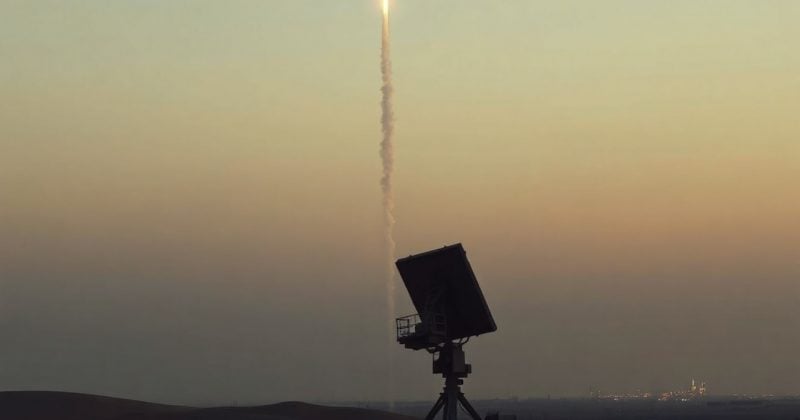
Iranian reports indicated that defensive responses were initiated, while US officials denied conducting any recent strikes on Iranian territory.
Local officials stated that the core nuclear reactor itself sustained no damage.
A strike near the facility back in April 2026 resulted in one death and damage to an auxiliary building. The pattern of escalation has been building for months as part of broader US-Israeli operations against Iranian military targets throughout 2026.
The crypto market’s war reflex
Bitcoin’s plunge from above $73,000 to around $61,688 represents a drop of roughly 15%. The nearly $1 billion in liquidations tells the real story. Traders who were positioned for continued upside got wiped out as cascading sell orders triggered a chain reaction across exchanges.
The broader crypto market followed Bitcoin’s lead, with Ethereum and other major tokens experiencing significant price drops as the risk-off sentiment spread across all digital asset classes.
Why this matters beyond the immediate sell-off
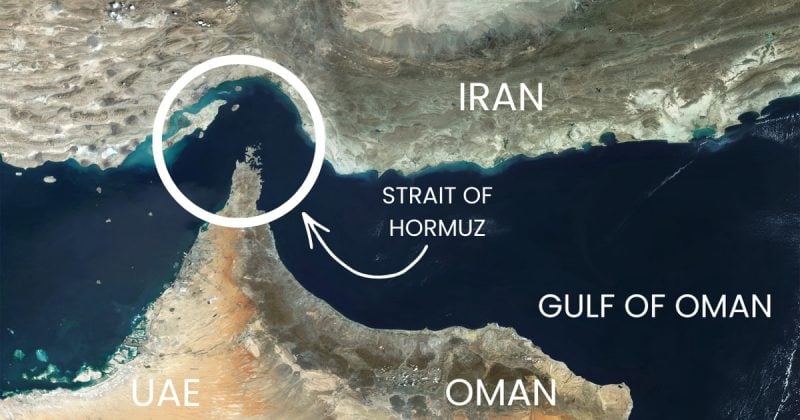
The Bushehr strikes sit at the intersection of several forces that crypto investors need to track carefully. Iran is a significant oil producer, and any disruption to Persian Gulf energy infrastructure sends crude prices higher, which feeds inflation, which complicates central bank policy, which pressures risk assets.
Escalating conflict with Iran typically brings tighter financial restrictions, and that has historically meant increased scrutiny on cryptocurrency as a potential sanctions evasion tool.
The April 2026 strike near Bushehr produced a similar but smaller market dip. The fact that we’re seeing a second incident at the same facility suggests the conflict is intensifying rather than de-escalating.
Disclosure: This article was edited by Editorial Team. For more information on how we create and review content, see our Editorial Policy.






 English (US) ·