
 1 hour ago
17
1 hour ago
17
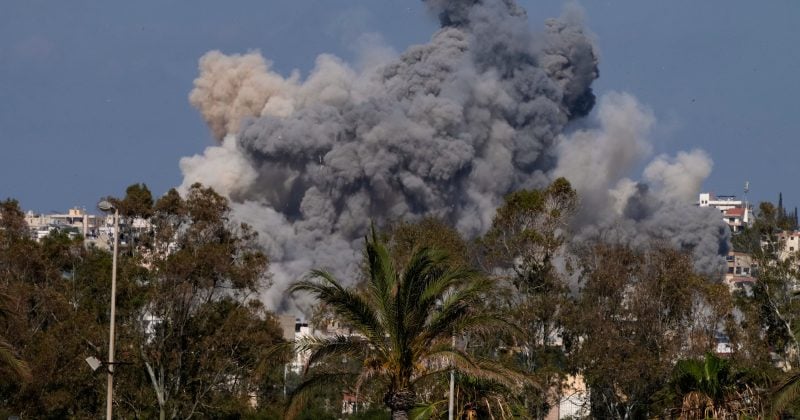
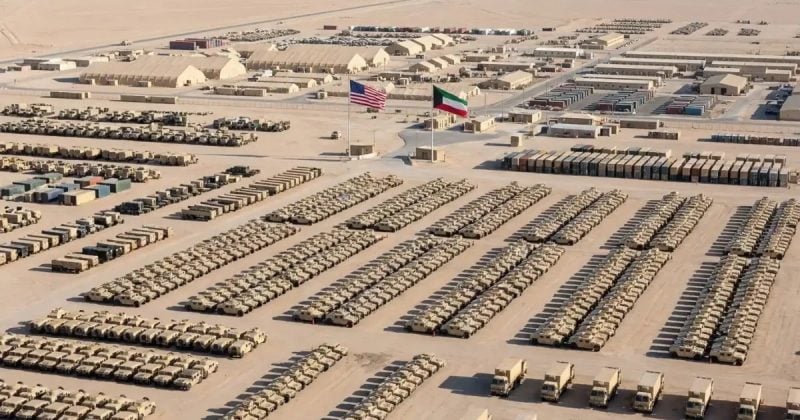
Iran’s Islamic Revolutionary Guard Corps announced it launched missile and drone strikes against US military bases in Kuwait and Bahrain on July 8, marking a dramatic escalation in hostilities between Tehran and Washington. The attacks targeted the Ali al-Salem Air Base in Kuwait and the US Fifth Fleet facilities at Port Salman in Bahrain, according to IRGC statements broadcast on Iranian state media.
Bitcoin responded the way it usually does when missiles start flying: it dropped fast, then bounced back almost as quickly. The price briefly dipped to around $99.5K before showing signs of recovery.
What happened on the ground
The strikes reportedly occurred between 2 and 3 a.m. local time. The IRGC framed the operation as retaliation for what it described as prior US military actions against Iranian targets, including the alleged downing of an Iranian MQ-9 drone and strikes on Iranian sites.
Iran’s damage claims varied wildly, with figures ranging from eight to as many as eighty-five Iranian facilities allegedly hit by US forces before the retaliatory strikes.
On the receiving end, both Kuwaiti and Bahraini officials reported intercepting incoming missiles and drones. Reports indicated localized damage including building impacts and power outages. Independent verification of the full scope of damage remains limited. Kuwait condemned the attacks. The US Central Command appeared to focus its public messaging on its own prior operations against Iranian targets, effectively downplaying the IRGC’s claims.
The Strait of Hormuz, one of the most strategically important waterways on Earth, sits right in the middle of this conflict zone. Roughly a fifth of the world’s oil passes through it.
How crypto markets reacted
Bitcoin’s brief slide to around $99.5K represented the initial panic selling. The recovery came quickly. Traders who’ve lived through prior escalations, including earlier periods when Bitcoin traded around $73K during previous tension spikes, have learned that panic selling during the first hour of a crisis often means selling the bottom.
What investors should actually watch
During the initial hours following the IRGC’s announcement, trading volumes across major exchanges showed elevated activity. Fear-induced selling met opportunistic buying, creating intraday volatility.
Energy markets deserve attention too. Any disruption to oil flows through the Strait of Hormuz would ripple through to Bitcoin mining economics, particularly for operations in regions dependent on energy imports. Higher energy costs mean higher mining costs, which historically puts upward pressure on Bitcoin’s price floor as miners become less willing to sell below their breakeven.
Disclosure: This article was edited by Editorial Team. For more information on how we create and review content, see our Editorial Policy.






 English (US) ·