
 1 hour ago
10
1 hour ago
10
Israel’s financial markets are in freefall. The country’s stocks and currency have emerged as the worst performers globally this month, a dramatic reversal for a market that was riding high on optimism just weeks ago.
The TA-125 index, Israel’s benchmark stock gauge, had surged over 14% year-to-date earlier in 2026. Investors had been betting on long-term regional stability, pouring money into Israeli equities.
The index has now earned the unwanted distinction of being one of the worst-performing major equity benchmarks on the planet this month.
The shekel hasn’t fared any better, sliding alongside equities as foreign investors pull capital and reassess their exposure to the Israeli market.
The Iran deal factor
An interim US-Iran ceasefire was signed on June 17, 2026, including commitments on uranium stockpiling and sanctions relief. For global markets, that was broadly positive news. Oil prices stabilized, and risk appetite improved in most corners of the world.
The conflict between the US, Israel, and Iran has been the defining geopolitical storyline of 2026. Missile exchanges and sanctions dynamics created whiplash-inducing volatility throughout the first half of the year.
Ripple effects across global markets
Global equities experienced significant swings throughout the conflict period, with Asian indices like South Korea’s KOSPI diving during June escalations. Oil prices seesawed as traders tried to price in the probability of supply disruptions from the Middle East.
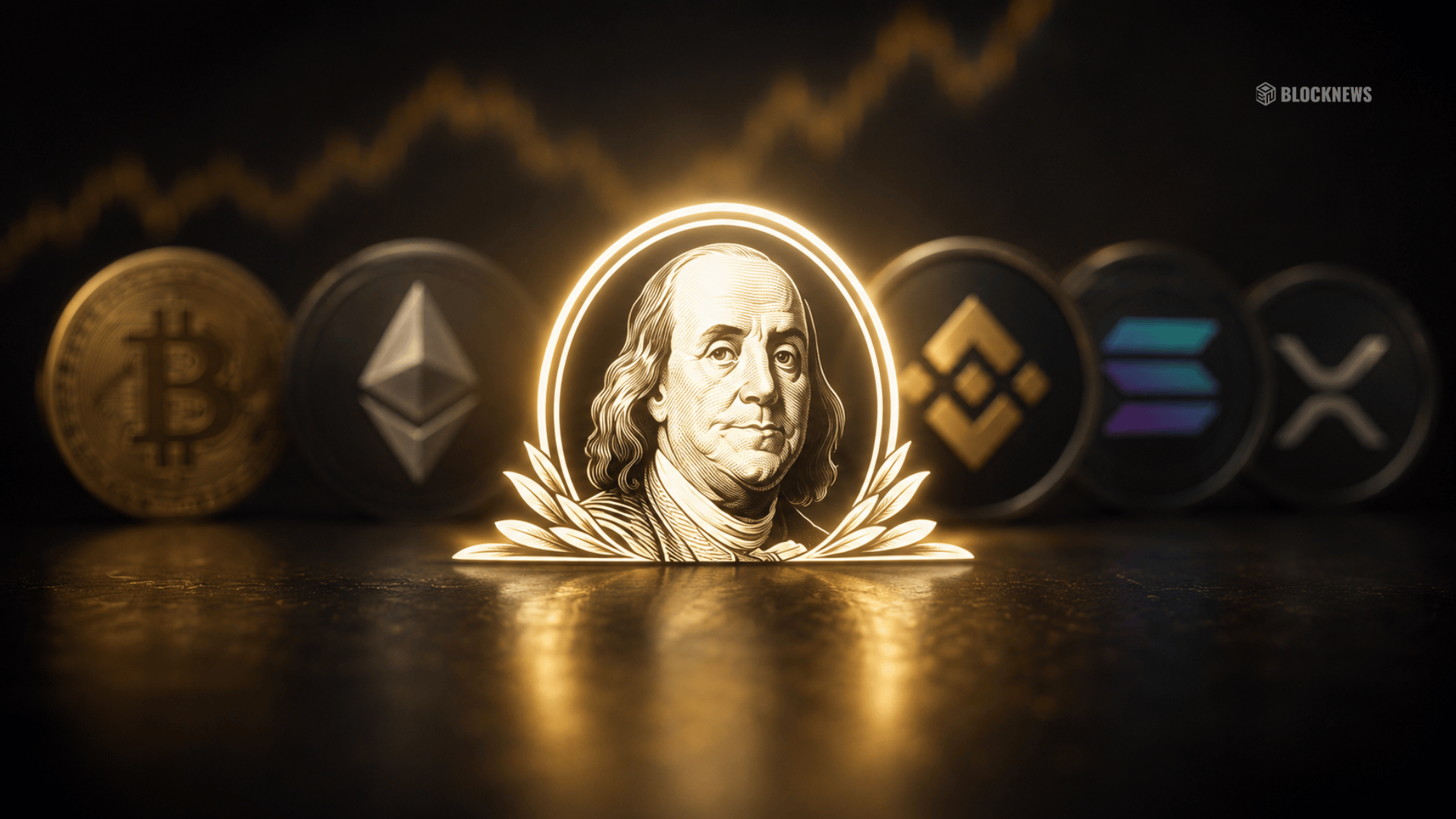
Bitcoin dropped below $73K amid the worst of the conflict escalations, part of a broader risk-off move that swept through digital assets. The broader crypto market experienced correlated selloffs during the sharpest escalations, reinforcing the idea that digital assets behave more like high-beta tech stocks than digital gold during acute geopolitical stress.
Disclosure: This article was edited by Editorial Team. For more information on how we create and review content, see our Editorial Policy.



 English (US) ·