
 1 hour ago
17
1 hour ago
17
Israeli airstrikes across multiple regions of Gaza killed at least 15 to 17 Palestinians on August 2, striking residential areas in Gaza City, Deir al-Balah, and Khan Younis. Hours later, Israeli National Security Minister Itamar Ben-Gvir publicly rejected a US-backed draft peace agreement designed to disarm Hamas and facilitate a gradual Israeli withdrawal, calling the deal “unacceptable.”
What happened on the ground
The strikes predominantly hit residential neighborhoods, according to Palestinian health officials and reporting from Reuters and Al Jazeera.
The targeted areas, Gaza City, Deir al-Balah, and Khan Younis, are communities that have already endured repeated rounds of violence.
According to Gaza health authorities, cumulative Palestinian deaths since a previously declared ceasefire in October 2025 have now surpassed 1,230. That ceasefire, brokered with significant US involvement, was supposed to be a turning point. It was not.
The political dimension
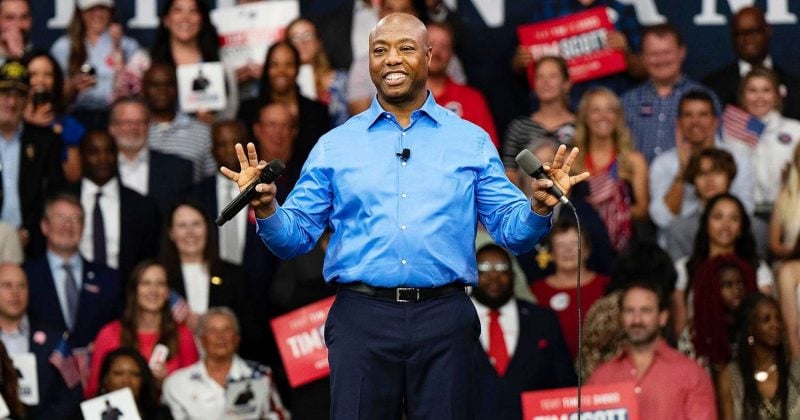
Ben-Gvir’s rejection of the US-backed draft deal is significant not just for what it says, but for who is saying it. As National Security Minister, he holds a cabinet position with direct influence over Israeli security policy.
The draft deal reportedly centered on two core elements: the disarmament of Hamas and a phased Israeli withdrawal from Gaza.
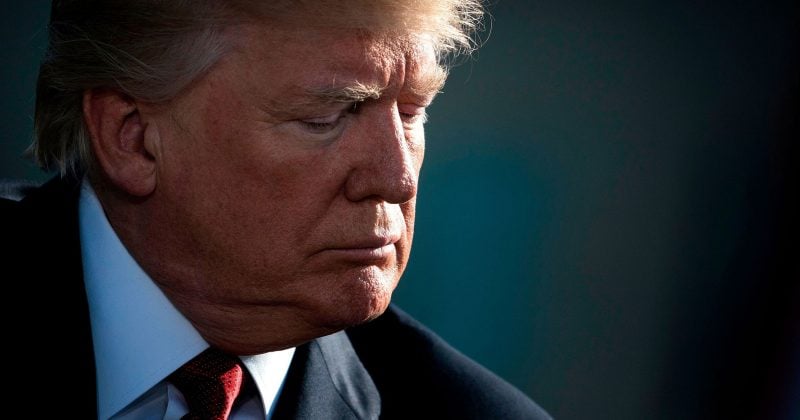
The Trump administration has maintained that disarming Hamas is essential for achieving enduring peace in Gaza, emphasizing that such measures would provide the stability necessary for broader regional cooperation.
Why crypto markets should pay attention
Geopolitical instability in the Middle East has historically influenced energy prices, which ripple through inflation expectations, which shape central bank policy, which moves every risk asset on the planet. Crypto included.
What is more concrete is the impact on stablecoin flows. Regions experiencing conflict or sanctions pressure have historically shown increased adoption of dollar-denominated stablecoins as a means of preserving value and moving money across borders. The broader Middle East has seen stablecoin volumes climb during periods of instability.
For investors sitting in crypto positions, the practical takeaway is straightforward: monitor oil prices and US Treasury yields as leading indicators. If energy costs spike and yields rise on inflation fears, risk assets including crypto will face headwinds regardless of any on-chain fundamentals.
The rejected ceasefire deal also introduces a secondary risk: prolonged US diplomatic distraction. A White House consumed by Middle East negotiations has less bandwidth for crypto regulation, SEC enforcement priorities, and stablecoin legislation.
Disclosure: This article was edited by Editorial Team. For more information on how we create and review content, see our Editorial Policy.






 English (US) ·