
 1 hour ago
18
1 hour ago
18
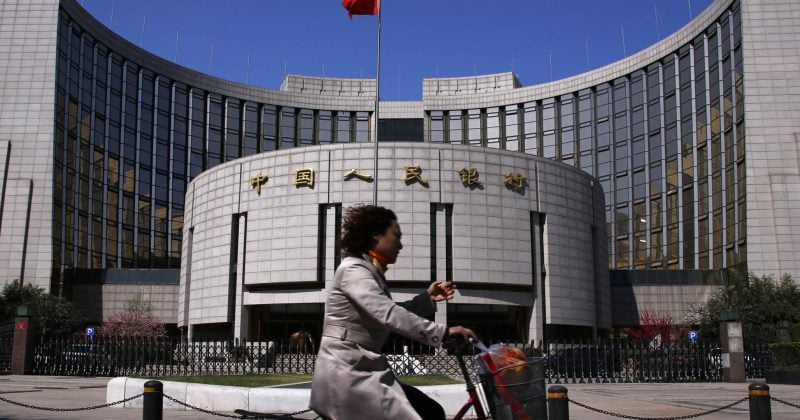
Japan’s Corporate Goods Price Index climbed 6.3% year-over-year in May 2026, the sharpest increase since March 2023. That number alone might not set off alarm bells for crypto traders. But here’s the thing: what happens inside the Bank of Japan tends not to stay inside the Bank of Japan.
The BoJ responded to these mounting inflationary pressures by hiking its key short-term interest rate to 1.0% during its mid-June meeting. That’s the highest level in 31 years. For context, Japan spent most of the last three decades in a world of zero or negative rates.
Why producer prices are surging
The drivers behind the CGPI spike are a familiar cocktail. Elevated energy prices, rising import costs, and geopolitical instability, particularly tensions related to the ongoing conflict in Iran, have all pushed input costs higher for Japanese businesses.
The month-over-month increase in May came in at 0.9%. April’s CGPI was also revised higher, landing between 4.9% and 5.3% year-over-year.
Economists are forecasting the June CGPI figure, expected shortly after July 10, to accelerate further to roughly 6.6% year-over-year. Some estimates range as high as 7.2%.
The yen carry trade problem
For years, the yen has been the funding currency of choice for carry trades. Investors borrow cheaply in yen, convert to dollars or other currencies, and park that money in higher-yielding assets, including risk assets like equities and crypto. When the BoJ raises rates, that machine starts running in reverse. Higher Japanese rates make yen borrowing more expensive. They also strengthen the yen, meaning traders who borrowed in yen now owe more in their home currency terms. The rational response is to unwind positions, which means selling risk assets to pay back yen-denominated loans.
Previous BoJ rate hikes during 2024 and 2025 were linked to Bitcoin drawdowns averaging around 27%. The July 2024 rate hike, in particular, contributed to a brutal sell-off across digital assets as carry trade unwinding rippled through markets.
What this means for crypto investors
The BoJ’s next policy meetings will coincide with updated CGPI data that could show inflation accelerating past 6.5%. If the central bank signals additional rate increases beyond 1.0%, traders should expect volatility spikes in crypto markets as positioning adjusts.
For traders and investors watching from outside Japan, the playbook from 2024 is instructive. The BoJ’s rate decision in July of that year caught many off guard despite clear inflationary signals in the data beforehand. The resulting carry trade unwind hit Bitcoin hard and fast.
Disclosure: This article was edited by Editorial Team. For more information on how we create and review content, see our Editorial Policy.







 English (US) ·