
 7 hours ago
18
7 hours ago
18
Jordan shut down all flight operations and closed its airspace after Iran launched missile strikes targeting US positions in the region. The move immediately disrupted air travel across at least eight countries and sent shockwaves through global financial markets, including crypto.
What happened on the ground
On July 14, 2026, Iran launched ballistic missiles targeting a US air base located in Jordan. Jordanian air defenses, supported by US military assets, intercepted the incoming projectiles with what appears to have been minimal impact on the ground.
No major casualties or significant damage have been reported so far.
Jordan’s air defense systems have intercepted dozens of Iranian drones and missiles in engagements stretching back to late February and continuing through July 2026.
Multiple airports across Jordan suspended operations entirely. The airspace closures rippled across the region, with at least eight neighboring countries affected by restricted or suspended flight operations.
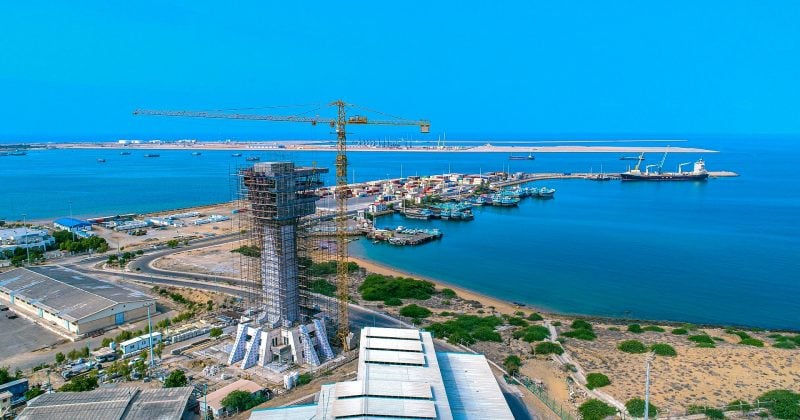
The strategic focus of the tensions centers on the Strait of Hormuz, one of the most critical chokepoints for global energy supply. Roughly a fifth of the world’s oil passes through that narrow waterway on any given day, which explains why oil prices surged to multi-week highs almost immediately after the strikes were confirmed.
The market fallout
Bitcoin prices declined as the escalation unfolded. Oil prices surged to multi-week highs due to concerns over potential supply disruptions near the Strait of Hormuz. Traditional equities also faltered, creating a broad risk-off environment that dragged digital assets along for the ride.
Broader context and historical echoes
The situation as of mid-July 2026 remained fluid, with ongoing military engagements from both US and Iranian forces as of July 20-21, 2026.
The April 2024 Iran-Israel exchange followed a similar pattern, with Bitcoin dipping on the initial news before recovering within days.
What crypto investors should watch
The sustained nature of the US-Iran military exchanges, stretching over months rather than a single weekend of tensions, creates a drag on sentiment that brief flare-ups don’t.
If oil prices continue climbing due to supply fears, central banks may face renewed inflationary pressure that could delay or reverse monetary easing cycles that crypto markets have been counting on for bullish momentum in the second half of 2026.
Disclosure: This article was edited by Editorial Team. For more information on how we create and review content, see our Editorial Policy.



 English (US) ·